

There is a certain way gospel grasps the heart. It reaches out its musical hands and ignites the heart with one touch. I remember my first gospel concert was with my grade four teacher. Every Sunday we would go to a small church in Detroit to hear divine gospel sounds. Since then, I always found myself searching for that Sunday morning feeling. That feeling is home. It is a safe place. It’s a good old feeling you get when a relationship is created between you and your neighbor. Searching for this feeling led me to Phog Lounge to hear freedom singer, Khari McClelland, perform.
In a small rustic place with dimmed lights, and stringed outdoor lights to illuminate a small stage, a man’s voice was heard coming from the back of the room. Making his way through the audience up to the stage wearing a red beanie and a mustard color sweater, Khari McClelland, with nothing more than just his powerful tenor vocals, began to sing what sounded like a traditional slave song. Repeating the phrase “we are in this boat together,” Khari sang around the audience including every single person into his performance. The feeling that I was hoping to find finally resonated within.
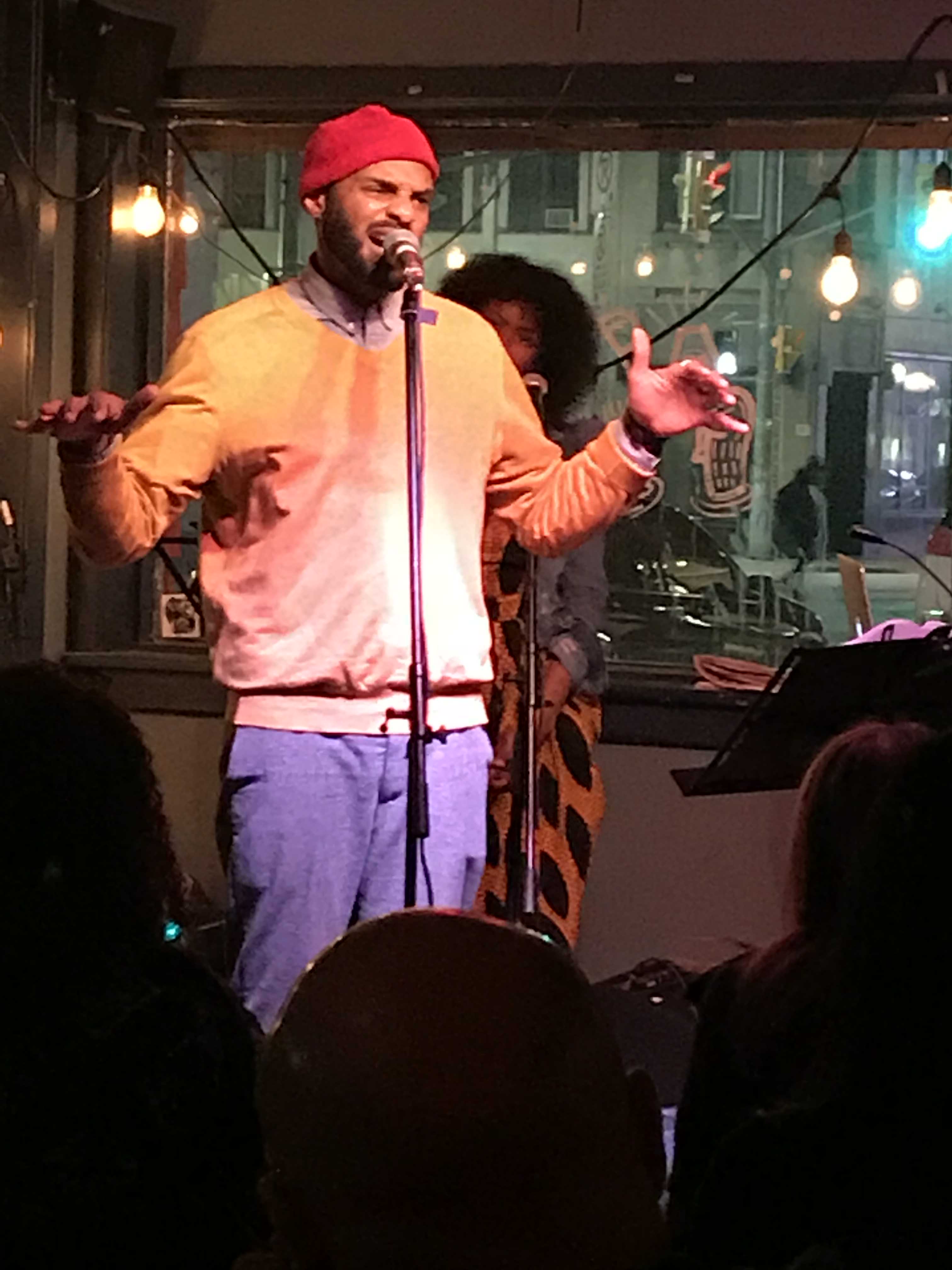
Phog Lounge was the perfect location for Khari’s performance because everyone that walked through the door became a part of a communal family. A regular, standing next to me, described Phog as “a room in my house where all my friends could gather to have a warm conversation and a jam session.” He could not describe Phog any better. Each person that stepped through the front door was greeted with a hug or smile. In the vibrant decorative space, a family joined together to watch a performance celebrating not only Black History Month, but also a celebration of understanding an apology, and redemption for those who suffered, and still suffer today, from marginalization.
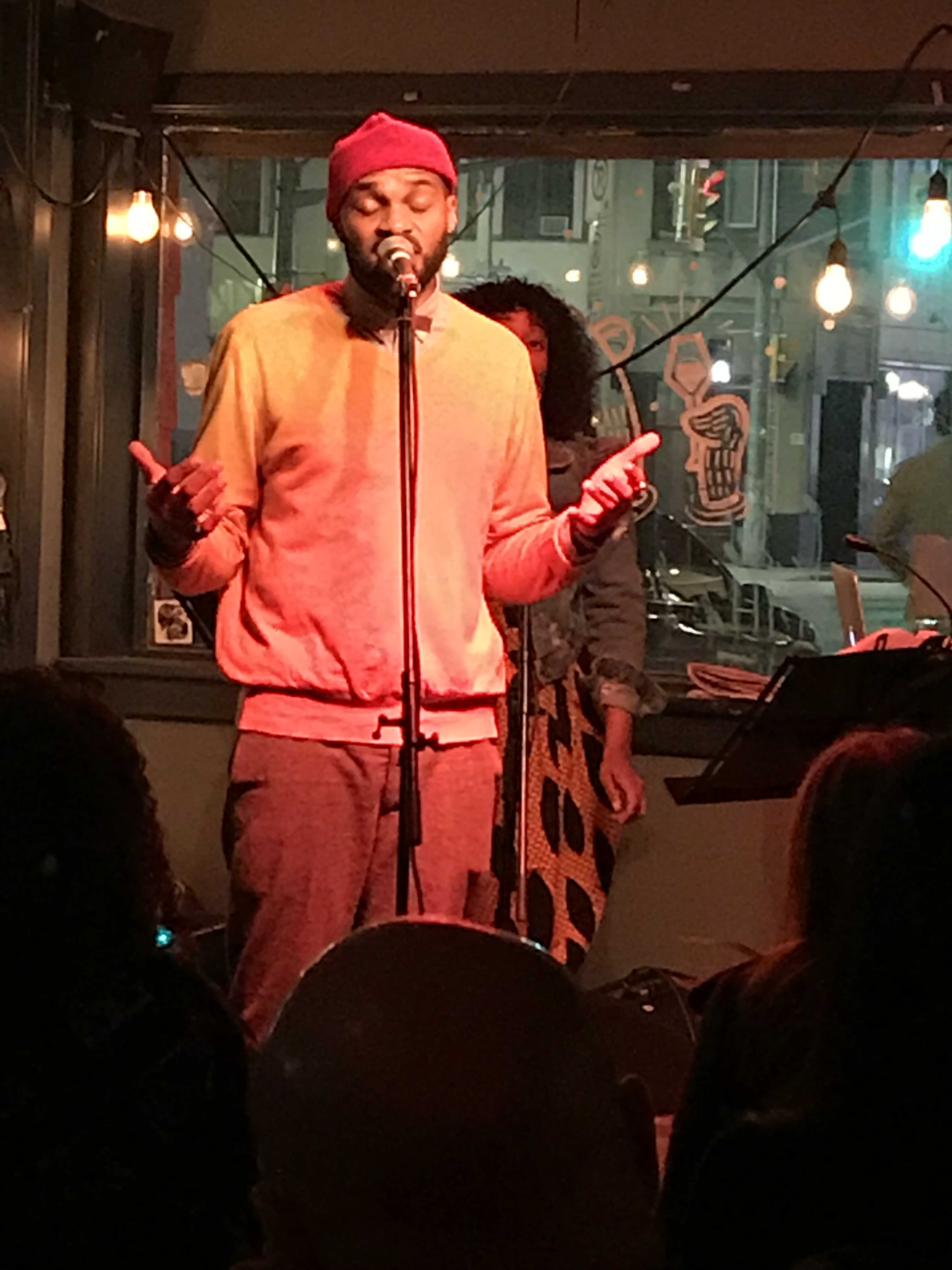
Upon Khari’s introduction to the stage, there were acknowledgements made to Windsor and Detroit Indigenous territorial names, which included the Ojibwa, the Odawa, and the Potawatomie. This made sense when I asked Khari why he named his tour We Now Recognize—he mentioned that “it comes from, Stephen Harper, Canadas’ former Prime Minister’s apology speech”. I really valued this because we rarely hear any organization or event acknowledge the traditional First nations names for the territories. It was simply an act of Truth and Reconciliation.
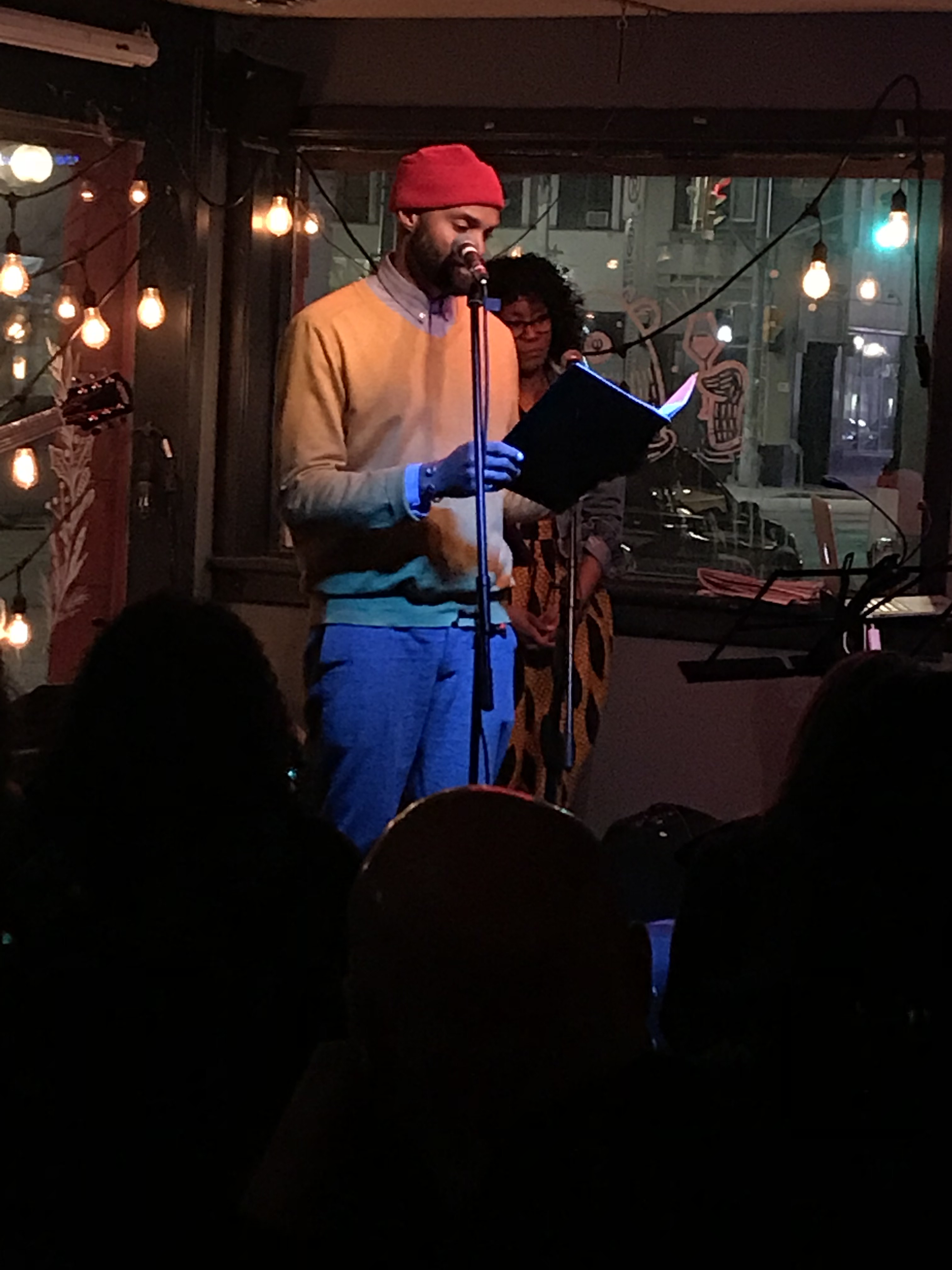
Khari has a special way bringing spirituals to life. With every song sung came an up and down and every musical note that followed did the same. Khari’s musical sound incorporates blues, jazz, folk, gospel, splash of reggae, and soul. Each sound had brought back liveliness to all those songs that have been buried for years. Khari was accompanied by a guitarist, playing an archtop guitar; a keyboard midi controller for the organ, drum and bass effects; and a backup vocalist. My favorite track performed was a song from his solo album called, “Song of the Agitator” which moved the audience as Khari asked everyone to hum after each line he sung. “Cease to agitate/ we will when the slave whip sound is still” — “mmhmm.” This not only included everyone, but it also brought everyone together creating harmony that filled the small and intimate space.
Judging from the audience’s cheers and, of course, his grandmother and mother in the front seat cheering him on, the audience did not want to let Khari leave after his last song. We begged Khari to sing not one more song, but two more in which he delightfully delivered. Khari McClelland has a special charm that he delivers in his music, and I am certainly excited to see what he has in store for the rest of his musical journey. His music not only moves one, but it also moves all those silenced voices that have been repressed for many years.
-Maria
 Notes on Notes