Hayes Carll’s “What It Is” 2019 Album Review


Divorce, depression, and self-reflectivity.  These are the themes that have been haunting Hayes Carll’s previous albums up until recently. What It Is breaks out of that shell and embraces the ability for change and well-balanced wittiness, to shine through in his lyrics and the overall theme of the album; integrating personal and political into his tracklist.

Hayes Carll’s album uses all of the conventional country elements-fiddles and guitars included- as well as his Texan and Nashville roots, to create a fun, and meaningful outlook on how he sees his life through a new rose-coloured lens. The album is light and simple with underlying political tones that reflect all that Hayes has learned and observed over the past year, he hides under the familiar dry humour that features in his other albums, and allows the listeners to slow down and meditate on the ideas he poses about how we see the world around us. In an interview with Rolling Stones Country, Carll explains his inspiration for writing the album and why.

“I take stock of the world around me and write about it […] This isn’t by any means a political record, but there are observations or my takes on certain things that are important. I understand a lot of people look to music as an escape, it can be really upsetting when it feels like that’s disrupted.”

Hayes Carll on his sixth album.

His first song on the album titled “None’ya” is an homage to his country background and a testimony to his wife, in which the album is co-written by her. It is one of his many love songs on the album that is self-reflecting without much reflecting going on, Carll’s witty lyrics prevent the listeners to delve anywhere deeper than the initial surface level. I find that splashing around on the surface, eases the listener into the political undertones of his music. His chorus hits home on the thought of changing aspects of his own life, “I try because I want to/ I know you heart the best way that I can/ Girl all I want to do is be your man.” It’s also interesting to listen to the love songs on the album and notice that he is singing in a first-person perspective that proves in his lines that he is singing and reflecting on himself and the idea of masculinity- how he can be a better man and husband, not just the fact that his woman in question is both cool and eccentric.

The lines in his second track, “Times Like These” mask the social and political messages behind upbeat fiddle chords and melodic singing, with lyrics such as, “but it sure is getting warm ‘round here in times like these/ in times like these do I really need a billionaire?” Carll delivers the balance between music and lyrics in sort of a “late-night barstool nightclub performance scene” that is personal and eye-opening if you listen to the lyrics close enough. The order of the tracklist is delicately balanced between slow and fast-tempoed songs, for the most part, equally alternating between what I like to refer to as “the fine line between falling back in love, and falling out of love with the world”. The variety of tracks mixed with the fussy string and brass arrangements, bring an unwavering directness to the character’s narrative, that Carll creates with telling this narrative as he’s sitting on a stool and an open-mic bar in a small town.

About nearly halfway into the album, something that Carll, Allison Moore, and the producers do significantly, is create an equilibrium between soft-strumming guitar and wailing harmonicas with the almost rock n’ roll style drumming and guitar chords. In songs, like “Things You Don’t Wanna Know” and “If I May Be So Bold” are the love songs that slow down the album’s movement altogether, and give profound and thoughtful lyrics to lead the audience towards the first central idea that he discovered when writing this album. He wrote it as a way to reflect on himself and the person he is today because of his tumultuous past. “I’ve wrestled with the question of just who I aim to be/ Been dealt hands I had to laugh at/ And some hands I’d like to fold/ But I’ll play ’em all, if I may be so bold…” lyrics like these show just how much he has grown since his last album, Lovers and Leavers, rising from the ashes of heartbreak and divorce to the next stage of turning over a new leaf with a new wife and a new life as a better man. The last couple of tracks on the album refer to the political approach he’s trying to shed light on in the matter. “The whole world is exploding and I know it feels so strange/ It must make you so damn angry they’re expecting you to change/ Fragile men” In this song, he calls out the right wing Americans who refuse to change their political views to match the evolving state of the world we are living in today.

Overall, the message of the album is widely pleasing to listen to because its melodic and upbeat nature of the tracks. The instruments and sentimental lyrics play together beautifully to present a simple and light-hearted sound that you can listen to anytime. However, if you wanted to listen more intuitively to the album and its underlying meaning, you are able to hear the message of the song jumping out subtly at you- its hidden under classic country chords and dry-humoured wit. The album is great to listen to if you just need a simple soundtrack to listen to on your teal-painted front porch on a sunny afternoon in the South.

-Genna Dara
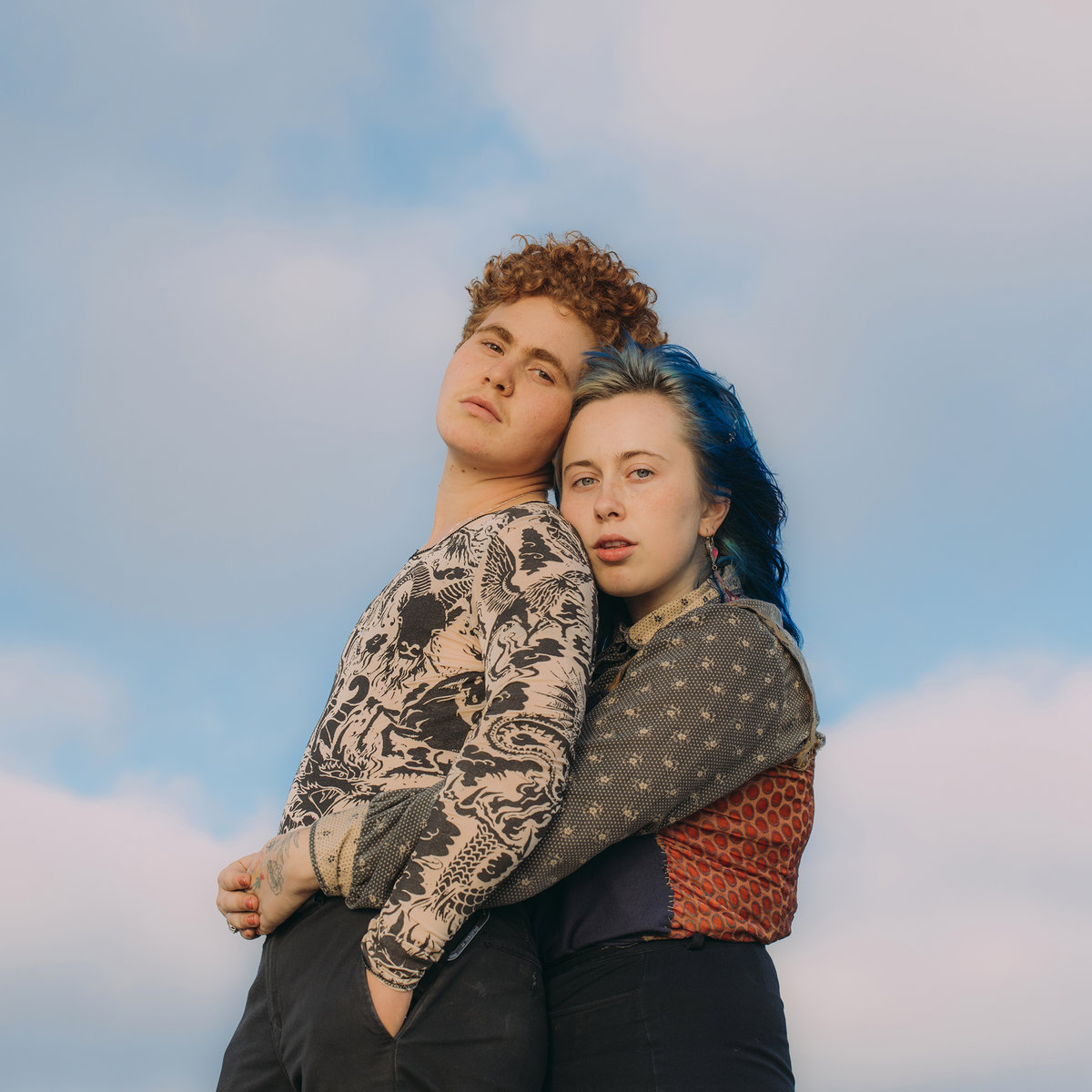
Album Review: Girlpool’s “What Chaos Is Imaginary”

By: Julia Ristoska

Leaving childhood and entering adulthood can be frightening and confusing at first. Sometimes it can feel so overwhelmingly complicated that you want to scream your head off. Cleo Tucker and Harmony Tividad from the duo group Girlpool began their career by streaming out their frustrations at the young age of 17. They started off being a couple of teenagers, created a friendship, and used music as their medium to understand the complexities of the world. They definitely made a drastic change from their self-titled 2014 EP. In comparison to their “Blah, Blah, Blah” days their 3rd studio album What Chaos Is Imaginary is much more sophisticated and constructed. They transition out from their awkward teenage phase and found their own sense of identity. In this album they no longer aggressively yell at each other;instead,these grown individuals engage in a full length inner conversation.

One of the major differences from Girlpool’s pervious albums is the vocals. This is the first album released since Tucker came out as transgender and started taking hormones that transitioned his voice into a lower tenor. Tucker said in an interview, one of the more difficult things about his transition “is feeling like my own voice is foreign to me.” Tucker is trying to rediscover who he is not just as an individual but also as a member in the band. His newly refined deep voice opens up on the first track, “Lucy”, as he sings, “An unfamiliar stage where you’d rather stay//A meditation plan when you sway and sink.” This melancholy indie rock tune discusses Tucker’s detachment of being on stage, but he knows it’s a place he belonged all along. He mentions it as a therapeutic place where he can “sink” into and feel comfortable in. His stretched out voice and slowed down tempo builds up providing an emotionally powerful wave of sound.

Ironically, the group is called “Girlpool” yet they are not quite swimming into gender conforming roles. They always challenge the ideas of what it means to be a “woman” in what they refer to as a “f*cked society”. A famous example is from their song “Slutmouth” from their self-titled EP. They sing, “Sometimes I wanna be a boy//Never really wanted girl toys” and “I don’t really care about the clothes I wear//I don’t really care to brush my hair//I go to school everyday//Just to be made a housewife one day.” Their lyrics are transparent and straight to the point. They do not hide who they are and showcase their real and genuine emotions and expressions through their music. With Tucker’s transition the duo still keeps the theme of finding their own sense of identity and individuality. They try to piece together broken fragments and build a unified bond and relationship with who they become.

The metaphor of drowning and sinking seems to occur throughout the album. It was mentioned in “Lucy” and reoccurs in “Where you Sink” where Tividad’s dream-like voice sings, “I know you live where you sink” and further sings “Go running around the alphabet sea//I wanna try to be a ribbon in a puzzle mind.” Her small voice feels distanced, and if you further listen her voice fades into a muffled whisper as if she was at the bottom of the ocean drowning.This is also seen in their instrumental piece “Minute in your mind” which consists of only a few lines. The instruments are drowning and the vocals are hidden in between the layer of guitars and synths. If you close your eyes and listen closely the lyric “you help me sink” surfaces over the hum of the guitars. Again the duo are trying to piece things together and keep afloat on top of the chaotic world.

Unlike their other albums one major difference is that many of the songs they were writing were written apart from each other. They lived in different cities and would send each other the tracks. The distinctive trait in Girlpool before was the overlapping vocals that fight against each other and become overwhelming to listen to. However, the layering of vocals is a very clever technique to express them unified as a whole but lost in a world that they don’t understand. The music is overpowering and their vocals drown in the chaos.

This contrasts with their new album in which there are two very distinctive voices. Tracks such as “Hire” and “Swamp and Bay” focus on Tucker’s voice without Tividad’s signature sweet voice overlapping. Tucker’s songs also give off a folksy rough tone with layers of brighter guitars in the background. Tividad’s most prominent song is the album’s title track “What Chaos is Imaginary”. It takes the spotlight with her hypnotic voice and classical string instruments intertwined with her dreamy voice. In an interview, Tividad mentioned she was having PTSD episodes and was having troubles getting in the present mindset and wasn’t able to focus on social situations so she wrote this song which is “about reckoning with this—trying to find a path to forgiving myself, attempts to redevelop a relationship with the world where I could find some illusion of ‘safety’ and belief in the fact that I could ultimately take care of myself.” The idea of the illusion and finding something to grasp onto is reoccurring in their more meditative dream-like songs like “Chemical Freeze and “Roses.” These ghostly songs focus on exiting one world and transferring into another. This refers back to them growing up from their troubled teenage years to finding their identity.

One thing that was recognizable was that there was two parts to the album. It was no longer Girlpool as a collective whole but Tuckers and Tividad’s own personal mini album in one greater album. Each song acts like a fragment; however, they still work as a unified piece. This album focuses on what Tividad calls “inner communication” which makes it more abstract and complicated which contrasts to their screaming transparent music before. This album is all about growth and finding their own identity in where they stand in the world, musically and within themselves.

And that must have been on chaotic episode to figure out.


Album Review: Cass McCombs’s “Tip of the Sphere”

By Mina Wiebe

Cass McCombs does not care what you think.

His ninth and newest album “Tip of the Sphere” is a whirlwind of creativity, politics and dark, dystopian narrative all packaged up in an unexpected fusion of sounds. Listeners might be tempted to say it’s “jumbled” or “all over the place”, and maybe they’d be right—but I can guarantee McCombs wouldn’t bat an eye.

At this point in his career, McCombs has made it immensely clear that he’s not one to prioritize catering to the masses for the sake of selling, and this album is definitely the cherry on top of the “I-don’t-care-what-you-think” cake. Don’t get me wrong, the guy makes gorgeous music and this album is no exception, but it’s clear that he creates the kind of music he wants to create—and it’s absolutely refreshing. McCombs doesn’t seem to follow the tricks and trends of the latest viral hits, and he certainly doesn’t restrict himself to a particular sound or genre in order to please a certain demographic. While some might argue that a lack of consistency might indicate that an artist hasn’t yet “found their sound”, for McCombs it simply means he’s been in the music business for a whopping fifteen years and has decided he’s going to do whatever the hell he wants to do.

Will Schube of Fader Magazine recently asked McCombs if he ever feels exhausted after fifteen long years of music, to which the musician replied that “[a]nybody’s job is gonna be annoying at some point, but I’m grateful that I get to speak my mind and write crazy songs about topics people don’t care about.” And that’s precisely what he seems to do in “Tip of the Spear”. The songs are dark, political at times, and delivered in a scattered, overlapping of genres. Song-topics range anywhere from anti-capitalism in “American Canyon Sutra” to an attack on environmental instability in “Sleeping Volcanoes”. The fact of the matter is, Cass McCombs creates the music he wants to create, with the messages he wants to tell, and if you don’t like it—he’d probably tell you that you’re shit out of luck.

The album is full of spontaneity; it’s absolutely brimming with unexpected twists and artistic choices that both shock and delight. If I absolutely “gun-to-head” had to sum it up by genre, I’d say it’s a rock album, but that honestly feels like I’m doing it a disservice. The album is by all means influenced by Americana—it’s predominantly rock, but there’s also hints of jazz, indie, and folk scattered throughout. If you’re looking for a consistent sound in terms of genre, you’ve come to the wrong place—but I’d gladly recommend enjoying the pleasant chaos that is “Tip of the Spear”.

 The album leads you in with “I Followed the River South to What”, this hazy, seven-minute song that features a simple guitar riff, equally simple and repetitive drum beats, and McCombs’ smooth, modulated vocals that guide you through like a hot knife through butter. It’s reminiscent of a more “serene” classic rock, similar to Led Zeppelin’s “Stairway to Heaven”, but don’t get too comfortable. The second track gives hints of what’s to come by veering slightly from what’s expected. There’s still guitar riffs and strong drum beats at the song’s core, but compared to its predecessor, “The Great Pixley Train” is a far bouncier track in its use of banjo. McCombs’ voice even has hints of a country’s singer’s twang, which I found both confusing and delightful. The song is most definitely a foreshadowing for what to expect in the forthcoming tracks.

Skip ahead to the fourth track “Absentee” for example, which almost completely deters from rock with the introduction of a piano ballad, and later, a mellow and jazzy pairing of saxophone with the “wah-wah’s” of a pedaled bass guitar. The next track “Real Life” is even more of a surprise, with its layering of bongos, piano, acoustic guitar, violin, and trumpet, resulting in a folk-jazz hybrid. McCombs does make sure to return to the more classic-rock sound in songs like “Sleeping Volcanoes” and “Sidewalk Bop After Suicide”, but he keeps you on your toes with strange tunes like “American Canyon Sutra” which initially sounds like a dance-song due to an introduction of an almost electronic-pop beat, but later transforms into an echoey spoken-work poem.

The songs are gloriously connected through the strong vocal abilities of McCombs, but initially it seems like his voice is the only thing unifying the album and connecting the songs to one another. The tracks are clearly catchy and well-done, and McCombs’ talent shines through in each of them, but it’s also pretty obvious that there’s a disconnect between many of tracks in terms of sound and theme. While I realize that McCombs is the king of artistic integrity and can do whatever he wants to do with his music, I still had to question if the album was successful as a unified piece. Could it be considered a “successful” album despite being all over the place?

And then I realized McCombs’ method of seduction.

The singer does precisely what he sets out to do: he writes crazy songs to speak his mind about topics he is passionate about. And yes, he does it in a seemingly bizarre overlap of genres and sounds, and no, the songs don’t necessarily flow into one another or even necessarily compliment each other. But each song is fascinating and brilliant, and the talent is there. The main allure is that he keeps you on your toes, not knowing what to expect, and not knowing whether the next song will be an exciting, upbeat rock tune or a mellow jazz melody. The album may not be unified in the conventional sense, but it worksas a unified piece because it’s a compelling and thrilling listen that sends a messages in each song, whether he’s singing about environmental issues or the evils of American capitalism. The singer may not care what you think, but he cares about real issues and creates some damn-good music to get his point across in this album.

Album Review: Get Tragic from Blood Red Shoes

by Danielle Bulhoes

We’ve all had those moments that come after heated arguments, or when someone throws a nasty comment or mean criticism your way and you think of the perfect thing to say way too late hours later. We all know how it feels to have that encounter just stew inside you until a flash of inspiration hits and it releases all that negativity in that perfect sentence you wish you had when you needed it. This is what you get with Blood Red Shoes’ newest album, Get Tragic.

Between this and their last album, the alternative rock duo of Blood Red Shoes, Laura-Mary Carter and Steven Ansell, have been through a lot together. Get Tragic is an album filled with social anxieties and tension, Carter and Ansell clearly working through their frustrations with each other, as well as their frustrations about their lives and the music business. Carter especially, having injured herself during a biking accident, was unable to resume her role as the group’s guitarist and had to limit herself to vocals when recording the album, which is probably why the tracks feature so many synth sounds. The couple eventually reconciled enough to come back together and work through their issues, creating a pretty standout collection of songs.

The first track, “Eye to Eye”, sets the mood for the rest of the album. Filled with tension, it clearly addresses the problems that Carter and Ansell had to work through in order to come back and make Get Tragic. The chorus replays the same phrase, “We don’t see eye to eye”, giving the listener a good idea as to the fragile layer of apprehension, ready to break all over again if someone makes a single wrong move. It’s pretty cathartic actually, especially for those of us who have difficulty putting our frustrations into words. Using “Eye to Eye” as an outlet, the listener can let go and imagine themselves confronting the people that might have pissed them off all from the safety of their own homes. I’ve always found the electric guitar to be the best instrument that was aggressive enough to fully summarize any adverse feelings I had and was unable to put into words. The use of the electric guitar in this song is just right that it makes me feel like my body is just slowly releasing all the tension in it without me having to throttle someone.  However, using this song as an outlet, the listener gets no real resolution to their problem, much like the song, which ends abruptly saying “We don’t see eye to eye.” It really showcases how things that we leave unsaid really impedes our ability to get closure.

Another track that’s a good example of the subject being unable to get closure is the song “Beverly”. The singer meets a man at a wedding and the man shares a story about his love for the bride. He tells the listener that “I know that I love her/ In these ways that you could never understand” and how torn up he is seeing her with another man. This man goes on to say how he slipped into despair with nothing but a lock of hair from her as a keepsake. The song is melancholy, Carter and Ansell’s voices layering during the chorus with synth sounds that make for a really dour and bleak atmosphere.

Not only does this album deal with outer conflicts between the artists and subjects of the songs, but they also take the time to look introspectively at themselves, ask at what level they were responsible for their problems and how they respond to that. In “Find My Own Remorse” Ansell takes over the lead vocals, with Carter offering up some backup. The lyrics for this song speak of a deep depression, Ansell’s tone almost apathetic as he sings about how he can’t be made to give the people badgering him the time of day, he’s just done with it all. But he’s mindful about what he’s thinking and feeling, aware of where these kinds of thoughts can lead and the danger in that. He sings that “I can’t give these thoughts the time of day…I am my own worst enemy”. Acknowledging this, Ansell promises to look for another way to deal with these feelings.

“Mexican Dress” follows a trend that’s been popping up a lot with artists. Carter herself has stated that “the track Mexican Dress is about the lengths people will go to for attention. Whether it’s online or in real life – small hits of validation and the feeling of having all eyes on you have become our generation’s biggest drug problem.” Carter’s voice dominates this track as she chastises the people who will do anything for their fifteen minutes in the spotlight. The music is a bit more fast-paced than most of the other songs, a reflection of how some people try to gain fame as quickly as possible without thinking of consequences and disregarding mental health if things should get out of control too quickly.

Blood Red Shoes explores their anxiety, their frustrations and the tension between them after a bad falling out in their newest album Get Tragic, a study in how people approach the relationships in their lives, whether they be someone the artist looks down at while on stage, someone they interact with on a social media setting, a good friend, a stranger they met at a wedding, or when they’re just looking inward at themselves. Get Tragic is an album that explores everything we wish we do and don’t say to the people around us and the effect that has on us emotionally, mentally and physically. The electric guitar is the perfect tool to de-stress the listener and translate the dissatisfaction Carter and Ansell have with themselves, each other and the world in general. Get Tragic is a great album if you’re looking for a little anger management in your life, ready to help you and lend you an understanding shoulder to lean on because you’re not alone in your anger and anxiety.

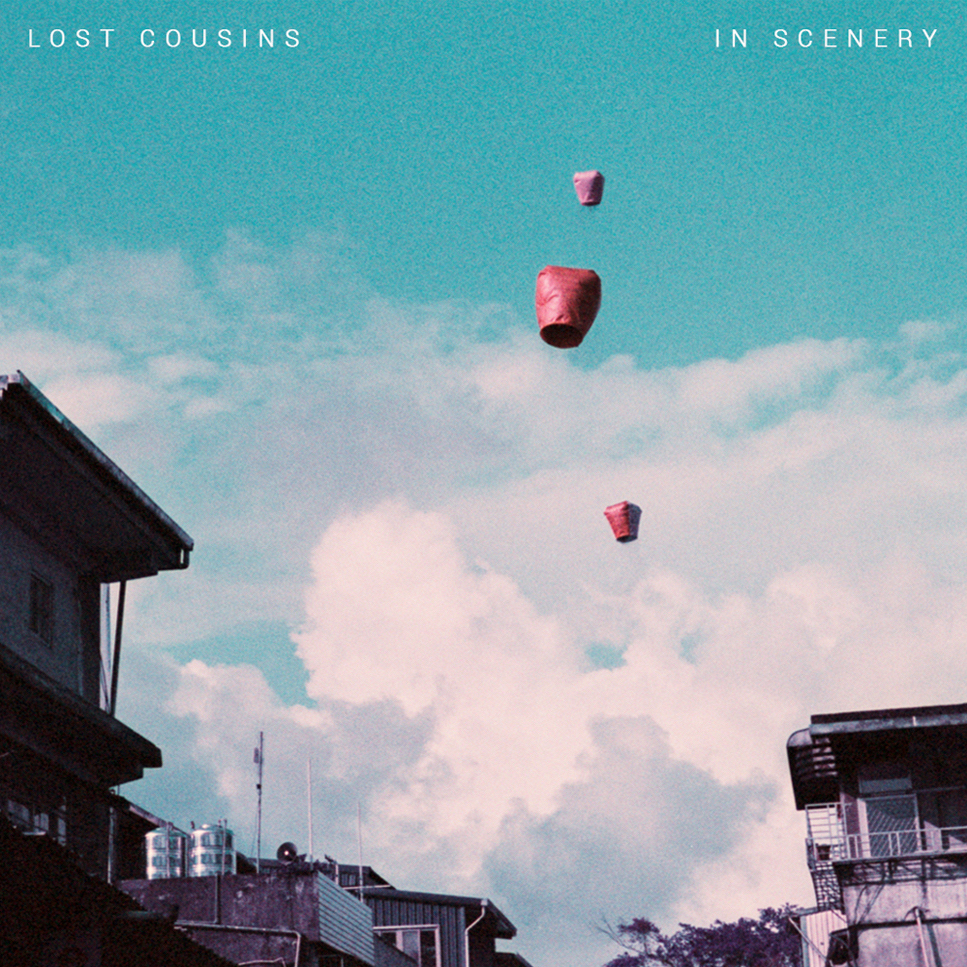
Album Review: Lost Cousins’ In Scenery (2019)

Lost Cousins’ recently dropped debut album In Scenery creates a mind trickling experience by bringing together colorful psychedelic sounds and life journey experiences to compose an art that is full of foreign elements—complex right? But complexity is what to expect when listening to this album because it is Lost Cousins’ complex sound and lyrical nuances that make In Scenery unique. An underlying feeling of being mentally lost is created over the span of 9 tracks and 31 minutes, however it all fuses together to make an abstraction concrete. This can be explained best through the Lost Cousins’ band name.

            In an interview with Music Mushing & Such, Lost Cousins’ explain that “because we all left friends and family in our respective homes, we felt a sense of new community, but also the loss of another. The name ‘Lost Cousins’ came from those feelings… feeling connected to people outside your physical environment, who you might not have communicated with in a while.”—this feeling is exactly what lingers throughout In Scenery.

            This Canadian four-piece psyche-rock band create their psychedelic radiations through their very own experiences (moving across country/ province) in which is used as the ground work for their music. Starting out as university students in the small city of Kingston Ontario, Cam Duffin-drummist and lyricist, Lloyd McArton-guitarist/saxophonist, Thomas Dashney-keyboardist and Dylan Cantlon Hay on bass guitar all came together with similar experiences of leaving their homes to pursue their education at Queens University. All band members are not what you would call “city boys”, since they all came from rural landscapes. Therefore, In Scenery acts as tribute to the natural landscapes the band members miss since moving to Toronto in 2015. What really fascinates me most is that not only do all the members of Lost Cousins contribute to the vocals in their songs, but they also compose their own music and lyrics in which they ultimately produced In Scenery.

            The first track on the album “Stay” prepares you for Lost Cousins’ multifaceted journey by incorporating psychedelic sounds and indie in a head on collision with lyrical nuances. The track starts out with a reverb, synths, and a looping electric twinkling that sounds like you are being pulled into a temporary colorful surrounding filled with foreign elements; however, when the chorus strikes with its upbeat tempo it makes you want to bob your head to its naturally warm percussions. Throughout the song it goes in and out of illusional momentary landscapes that set you up for the rest of their audacious album. When I first heard this track, I couldn’t stop thinking about an unexplained psychological scenario—when driving home after a long day at work, I sometimes ask myself “how the hell did I get home so fast?” It is the feeling of consciously being aware of where you are going and how you are getting there, but only momentarily aware of your surroundings. This unexplained psychedelic experience remains through the lyrical nuances in this track— “up above without following/ another one gone/ open up again/ oh I wanted to stay but I knew it was over.” It psychologically pulls you into its musical and lyrical compositions, but then throws you back out into a nothingness then repeats the process all over again creating an abstract feeling of being lost.

            The next track on the album, “Mindmaker”, doesn’t help make it any more concrete. What is interesting about this track is that it was the first track Lost Cousins’ wrote for this album. With cymbals crashing, heavy percussions, reverbs, synths, and electric guitar riffs, it takes you on a contrasting journey through the intellect. It is about a battle within the mind to reach an inner balance between urban city and rural vibes. With lyrics such as “All of the space you can’t occupy/ It’s heaven and time” in the first verse contrasting with “All of the colors within your mind/ It’s never divine” in the second verse, captures the midst of the intellectual battle between the rural open spaces and the celestial city lights that are engaged in a “Mindmaker bodyshaker” phenomenon. The end of the track finishes with fading electrical guitar scaling that leads into the next song which reveals the solution to the battle—a “City Escape.”  

            “Trails”, a ballad that is soft and progressively gets busy, is poetically enchanting. The soft piano keys descend under silvery vocals that sound like drizzles of rain. It all comes together when drum sticks click together and paired off with a piercing saxophone alto to create an organic environment. My favorite line in this song is “I know this is a rocky part/ Throw away the albums we’ll stand naked in the park” which resonates with Lost Cousins’ overall sound. Because they create their music with their very own instrumentation, they can create the exact same sounds that is heard on their album when playing live— “Screw recording equipment! because this band will still sound organically delicious even if they are performing live… in the park…naked”

            Although Lost Cousins’ maintain their psyche-electronic sound throughout most of their album, they finish it with an alternative texture combined with hidden electronic elements. The last song on the album, “Nothing” can appear as literally nothing when it gets busy with its layering textures of alternative and electronic-rock, but the band complete control over the busying layers it what pulls everything together. The sound relates to the lyrical nuances that shape the song ultimately especially in the line “It’s never nothing”—therefore causing you to scratch your head and realizing… “okay wait it is something”. It is a beautiful metaphor for someone being lost but finds something or someone to be grounded into. Like that lost cousin you haven’t seen in forever, and even though you reconnect with them over Facebook, Skype or even in a letter it still means something.  

In Scenery is like perceiving an abstract piece of art that has absolutely no existence to it; however, its contrasting vibrant and dark colors, gentle and harsh brush strokes blend all together to create a piece that is ultimately and explicitly concrete.

-Maria

Album Review: Said The Whale, Cascadia (2019)

By Michaela Maxey

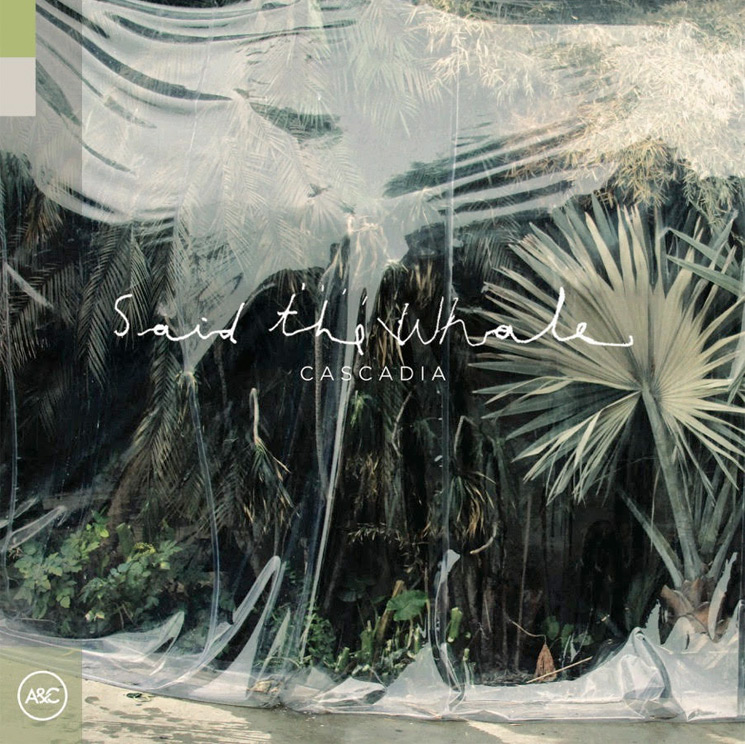
Said the Whale, Cascadia album cover

Said the Whale has stepped outside their comfort zone in their astonishing new album Cascadia. While originally having mixtures of electric rock and folk from frontmen Tyler Bancroft and Ben Worcester on their last album As Long As Your Eyes Are Wide, each track on Cascadia moves between alt-rock, indie, and folk. Despite differing sounds, all tracks advocate for the same thing — love. Cascadia takes you on a winding road in its discovery of love in all its variations and imperfections while paying homage to the beautiful land itself. Like the varying cultures and flourishes of art from city to city in the bioregion of Cascadia, Said the Whale’s Cascadia varies from track to track, never settling into a specific sound and mimicking the beauty of diversity of this region.

The first track opens with a few piano keys and strums from guitars over a fuzzy background, almost as if the band is testing out the instruments before the song starts. Then the drums come in and set the beat. Worcester offers short lyrics, each line like a solid punch through the instruments that places an importance on what he’s saying. He opens with “Wake up, wake up/ Wake in the sound of the rising sun/See a bright light shine on the lions.” Each line acts as a call to action, to pay attention to the natural world around you. As the chorus comes in Worcester sings, “Time makes all things fall together”, and if anyone knows this it’s Said the Whale. They’ve been together since 2007 and have seen one another grow in the most personal ways possible: getting married, pains of miscarriages, and having kids. Despite all this, the trio of Ben Worcester, Tyler Bancroft, and Jaycelyn Brown has remained strong. Indeed, time does make all things fall together and acts as a running line through this album.

For artists like Said the Whale who tour for months at a time and are away from their families and home, love becomes essential in grounding them in their identities and in their homeland. In “Love Don’t Ask”, the band intertwines love as a pet-name and love the feeling so that the listener simultaneously thinks of both, making it inescapable. With a strong and consistent beat brought together by drums, guitar, and piano, the lyrics mimic this strength with a love that can “brave together/ uninspired in spite of the fires.” Although their may be moments of weakness, which can be heard in the disgruntled piano chimes in the song, this love has an end goal: “a simple life alone with you beside me would be paradise.” The next track that explores love, “Level Best”, is written by Bancroft to his son and underscores the lengths he’ll go to for him, “If you need a million dollars by tomorrow/ I will rob a bank to do my level best.”  With hard strums of guitars and strong vocals that enunciate every word, it becomes impossible to miss what Bancroft has to say. He definitely sets the bar HIGH, making it hard for any parent or lover to follow this up.  In “Love Always”, Said the Whale offers a creepy feeling to open with— just the guitar strumming, then vocals that echo making Worcester feel far away. As the chorus begins, the drums come in and offer a much more grounding sound that ends the echoing of the lyrics and brings Worcester back to Earth. Essentially, this song advocates that love is always the answer to whatever the issue is, and if we can remember that then we can solve anything. Most importantly though, there’s the element of time in all these songs. Nothing happens right away, but always looks towards a future that only knowledge over time can bring.

It’s not all sunshine and rainbows when it comes to love, however. In “Shame”, Said the Whale explores what it means to screw up. In an interactive phone hotline promoting the album, the band describes “Shame” as a “powerful commentary about being a man in 2018 and the importance of listening to women.” This is important because there are so many stigmas revolving around masculinity, especially when it comes to being in a relationship. You can be sensitive, but not too sensitive. Attached, but not too attached. It’s a hard balance to juggle, and a lot of the times results in messing up a good thing. In terms of sound, the song may start off with a grunge/alt-rock feel, but it continuously slows down throughout, leading to an ending silence as the shame eats the person up. And this is where “UnAmerican” works perfectly with “Shame” as it also aims in flipping the notion of masculinity: “I wanna write you a love song/ I wanna get all the words wrong.” What?! A sensitive guy?! I didn’t know they made those anymore!  Being kind and sensitive, and being a male on top of that, is about as un-American as you can get because society constantly places value on being a tough male figure, both mentally and physically. With songs like these advocating how crazy this idea is, it’s only a matter of time until this stigma ends. I’ll be waiting!

At all moments of Cascadia, there is the undertone of the deep love the band has for the land. Many songs offer images of mountains and rivers throughout, and the band gives full tracks dedicated to their Vancouver home like the title track “Cascadia” and “Gambier Island Green”. Ultimately, this album takes us through the winding roads of Vancouver and traces all variations of love across a modern time (love for a child, love for a significant other, and love for the land). Although certain things may not work out in the moment, it is important to remember that time makes all things fall together. All we can do is let time work its magic to bring us back to the people and the places that mean the absolute most to us.

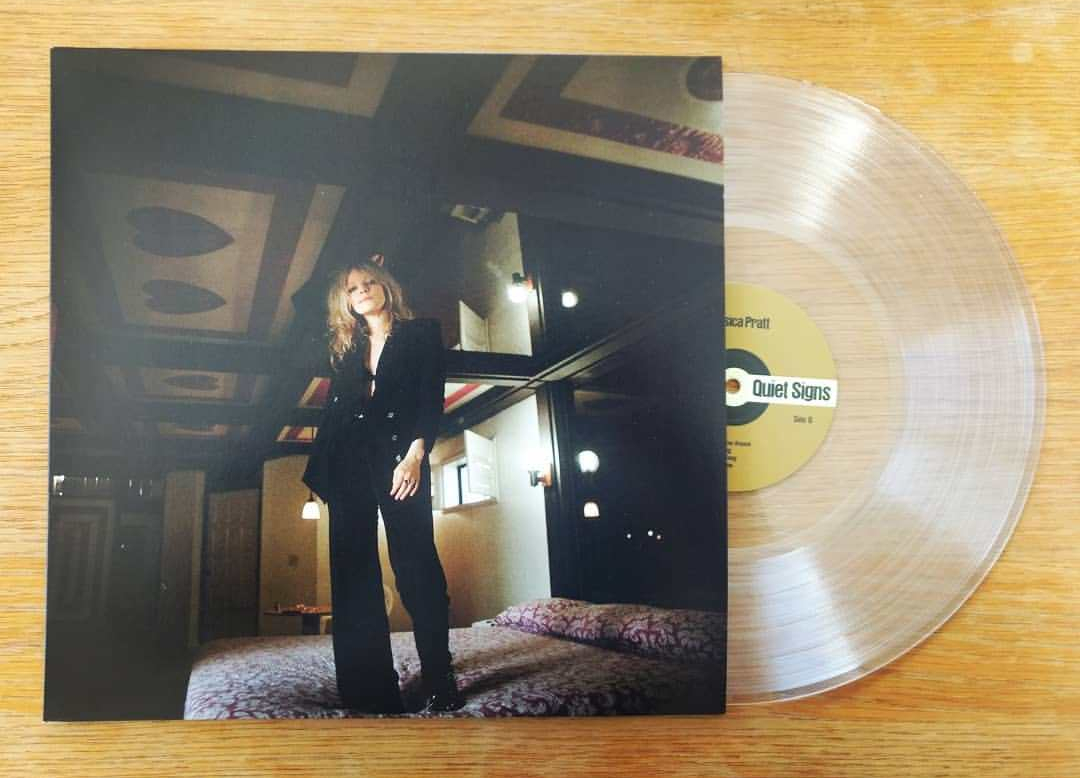
Album Review: Jessica Pratt, Quiet Signs (2019)

By Allesandro Rotondi

Jessica Pratt has one of the most unique singing voices I’ve ever heard. Quiet Signs is her third album effort, and running at 27 minutes, it is a brief but welcoming glimpse into the philosophical mind of an enigmatic soul. She comes off as delicate and raw, but well-informed about everything she sings about. Pratt’s music is like an all-seeing eye on the world, peeking around every corner and offering insight about what it has seen. Her sound embodies modern folk, even though she doesn’t like the idea of being pinned to any genre. There is no pinning here, however—Quiet Signs is a folk adventure with melded elements of psychedelia and electronic music. What’s brilliant about her, is the way she builds a track upon these styles, with the minimal amount of instruments. In “Fare Thee Well,” Pratt’s bedtrack is straight comping acoustic guitar, with lead vocal and light backing vocals on the upper harmony. But built upon that foundation, however, is a single-note organ, mellotron staccato (or, quickly struck) chords, and at the end, a crooning flute part. These elements are what sets the mood for Pratt’s thinly textured, but aesthetically rich sound throughout the whole album.

Pratt and her producer Al Carlson clearly know how to create an atmosphere that perfectly suits the desires of her music. Upon first listen, I thought her voice was tampered with in post production to give it that wistfully light tone, and the unique style in which she melds words together when she sings. I figured she had sped the tape down, recorded her vocals, and then sped it back to normal speed to pitch her voice up with it. This was especially true after hearing her speaking voice on a KEXP performance, which I thought was surprisingly different than her singing voice. But alas, that is her real voice, and a beautiful one at that. Her light vocals sway, climb, and fall, with the innocence of a young child, and the consoling wisdom of a grandmother. The album’s weightless feeling is largely attributed to there being no bass or bottom end instruments at any point, besides the piano on “Opening Night” and “Crossing.” Her guitar playing crackles like feet on top of autumn leaves, like her almost fizzling strumming on “Here My Love.”

Much more than on her previous two albums, Pratt employs artificial (or perhaps, authentic) tape hiss and reverb to her instruments and vocals, greatly influencing the breezy, and open-chambered feeling that this album possesses. It’s almost as though without your full attention, the music and contour could simply drift away with the wind. Her guitar has a chorus effect on it during many of the tracks, which slightly detunes the sound of the guitar with itself, giving it an electromagnetic wavy feel, reminiscent of a Mac DeMarco record. Pratt’s instrumental palette also consists of woodwinds like lilting flutes, synthesizers like mellotron and organ, synthesized orchestral strings, piano, tambourine, and reverb-drenched vocals and guitar to top it off. Pratt tastefully picks which instruments will best suit the song, and never has more than three or four accompanying her vocals at a time. Her chord choices favour major and minor sevenths, likely the most open sounding and dreamy chord choices any folk guitarist could desire. This is especially true on “Poly Blue,” one of the catchiest and most heartfelt tunes on the album, with melodies and hooks that are likely to follow you everywhere you go. The songs’ keys are more often major than minor, but her chord choices often allude to minor, and the musical expressions profess an often somber feeling. As a songwriter, it’s a difficult task to make a major keyed song sound minor, and vice versa, like Pratt does on “Silent Song.”

This is her first album recorded outside of her home and in an authentic studio, and it also sounds the least like it. More than previously, Pratt’s production style feels like lo-fi, analog, underground folk. However, it’s clearly intentional, and Pratt has learned a thing or two over the years about how to set her words, chords, and melodies, into an atmosphere that provides the most comfortable walls for them to live within. Though Pratt has a wide range of influences, like 1970’s Marianne Faithfull and John Martyn, her musical execution personally reminds me of Paul Simon’s Songbook album, or something K.K. Slider would sing in the coffeeshops of the Animal Crossing game series. Her music also wouldn’t be out of place in the season two soundtrack of The End of the F***ing World (your move, Netflix).

Though Pratt hails from Los Angeles, her music is less reflective of California’s sunny ideals, as so often portrayed by pop culture, and sounds more like Pratt singing around a campfire after sunset, as the wind lightly blows the pacific ocean waves onto the darkened sandy shores. A quiet reflection, almost. I feel comforted by her music, in a melancholic way that is difficult to pinpoint. Pratt addresses issues and hardships that one has to face in their lifetime, but in doing so, assures the listener that when it’s all said in done, everything will be okay. In “Poly Blue,” Pratt sings “Please understand the changes that a boy has had to climb / For what in time, leaves him always late to fly,” assuring the listener that though the subject’s metaphorical flight is delayed, he still flies nonetheless. She made me feel better about things I wasn’t actually concerned about before I heard the record, but left me with the sensation of new experiences and adventures. I feel a little bit more out of my shell after having listened to Quiet Signs. My introduction to Jessica Pratt’s music has been a pleasant one, and like a new friend that pulls your arm onward to new adventures and places, I can’t wait to see what happens next.

Album Review: Avril Lavigne, Head Above Water (2019)

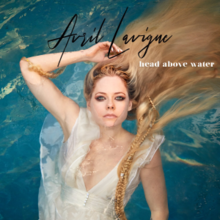
Avril Lavigne’s lead single, “Head Above Water,” was released September 19, 2018.

by Chelsea Ives

Queen Lavigne is here. No longer the pop-punk princess we once knew, Avril Lavigne reveals just how much she’s matured with her newest album, Head Above Water released this past February. In her sixth studio album, Lavigne shows a depth that contrasts strikingly with her old music. When I say “depth” I mean she has literally been stranded at the bottom of the ocean – but she’s back – with her head above water and her heart feverishly in her music.

Lavigne has been startlingly absent from the music scene since 2014. After contracting Lyme disease from a tick bite, Lavigne was on bedrest for almost two years – but now she’s finally back. After years of antibiotics and physical therapy for her dystrophic muscles, Lavigne traded in her bed sheets for music sheets. Now, propelled by her experiences, she’s making up for lost time. Lavigne has made a Ke$ha – come back: using her past experiences not only with her illness but also with toxic masculinity to bolster her voice, trading in her usual flippant attitude (“see ya later boi”) for a more serious, adult perspective. The album consists of a series of ballads, with a break in the middle with the more upbeat song, “Dumb Blonde” featuring Nicki Minaj.

“Head Above Water” the title track opens the album, starting with elegant piano and Lavigne’s strong vocals. The spiritual gospel works like a prayer, when she sings, “God keep my head above water …” Lavigne revealed on her website that the song came from what she thought was going to be her deathbed – truly the bottom of the ocean. The album’s set-up effectively moves from where Lavigne’s been, to where she’s going. From the bottom of the ocean, to the highest clouds in “Goddess,” Lavigne’s album is the story of her past, present, and future.

Her songs, which resonate spiritually, touch places deeper than her old music, even her 2007 “When You’re Gone,” which used to be my go-to sad song when I was an angsty teenager. Come to think of it, so was her 2004 song “Happy Ending”. Oh, and then there was her 2002 song, “Complicated” … Lavigne clearly hadn’t stretched her musical abilities as far as they could go. Her 2013 single “Here’s to Never Growing Up,” easily represented how Lavigne went about her music career until now. All her pop-punk songs were catchy, but they were all the same. Now, Lavigne shows us exactly how much she’s grown up in Head Above Water, which has a different perspective, tone, and intention. No longer pumping out tunes for the masses of angsty teenagers – Lavigne gets real by describing her struggles and how she’s overcome them.

 “Tell Me It’s Over,” the fourth song on the album, opens with a gospel/jazzy/soul sound and Lavigne’s amazing vocals, which only strengthened during her years off. The classic piano, and the introduction of trombone and horns gives this song a smooth, strong feeling. The sound of the song reminds me of the new song from Fall Out Boy, “Heaven’s Gate”. It is clear Lavigne is done taking shit from any men. The lyrics, “I’m so tired of certain emotions / That leave me dizzy and confused” are relatable to anyone who has ever been in a relationship.

“Dumb Blonde” is the fifth song on the album, and musically the weakest in my opinion. Lyrically, and thematically I can see the feminist agenda that Lavigne is trying to push, but the “Hey Mickey” sounds pairs awkwardly with the introduction of Nicki Minaj rapping three quarters of the way through the song. The transition is chunky and jarring, which takes away from the “all-hail strong women” vibe Lavigne sets up in the rest of the song. The song was originally supposed to be a solo piece (you can see Lavigne perform the original here) but two weeks before the album’s release, Minaj’s verse was added to the song. However, the original version is stronger and more effective in getting Lavigne’s point across. In the original she sings, “(…) don’t take no shit / … don’t ever shut up / You gotta stand up and fight for it.”, which I think is closer to the old pop-punk Lavigne that we know, and lyrically does a better job of keeping the theme of the song. The saving grace for this song is that it reminds me of her 2007 song, “Girlfriend” in the beat of the song – to the point where “Dumb Blonde” could be a re-make, showing how Lavigne has grown from the “I want to be your girlfriend” to the “get outta my way” of 2019 Lavigne who isn’t taking shit from men anymore.

 “Souvenir”, “Crush”, “Goddess”, and “Bigger Wow” Tell us there is still hope for Lavigne’s love life! Even referencing a possible new beau? The songs which come just before the close of the album bring a positive spin back to love and relationships. After the disheartening image you experience from “Birdie”, “I Fell in Love with the Devil”, and “Tell Me It’s Over” which all reference un-reciprocated love, compassion, and understanding in relationships, Lavigne switches from her toxic relationships of the past to her new, reinvented self. Nothing says “moving on” like picking yourself up and shocking the world with new music which is so drastically different from her old sound.

The song “Warrior” concludes the album perfectly. After she’s revealed her darkest days to us, Lavigne tells us she’s not here for our pity – she’s doing it to show her strength, and to encourage others to have faith in themselves as well. The song features dramatic piano, and Lavigne asserting herself, “I will not break / I will survive / I’m a warrior”.

How many of us would read a book where the protagonist doesn’t develop at all through the plot? So why should we expect Avril Lavigne to produce another cookie-cutter pop-punk album after all she’s gone through? For me, this album represents real struggle, growth, strength, and most of all hope in a future that will be better. Truer to reality than most of what comes on the radio today, I think Head Above Water is the most authentic Lavigne we’ve had yet. To those who think that the album is “boring”, I say: you’ll understand when you’re older.

Avril Lavigne’s Head Above Water album cover.