Ariana Grande, “Break Up with Your Girlfriend, I’m Bored” (Thank U, Next, 2019)

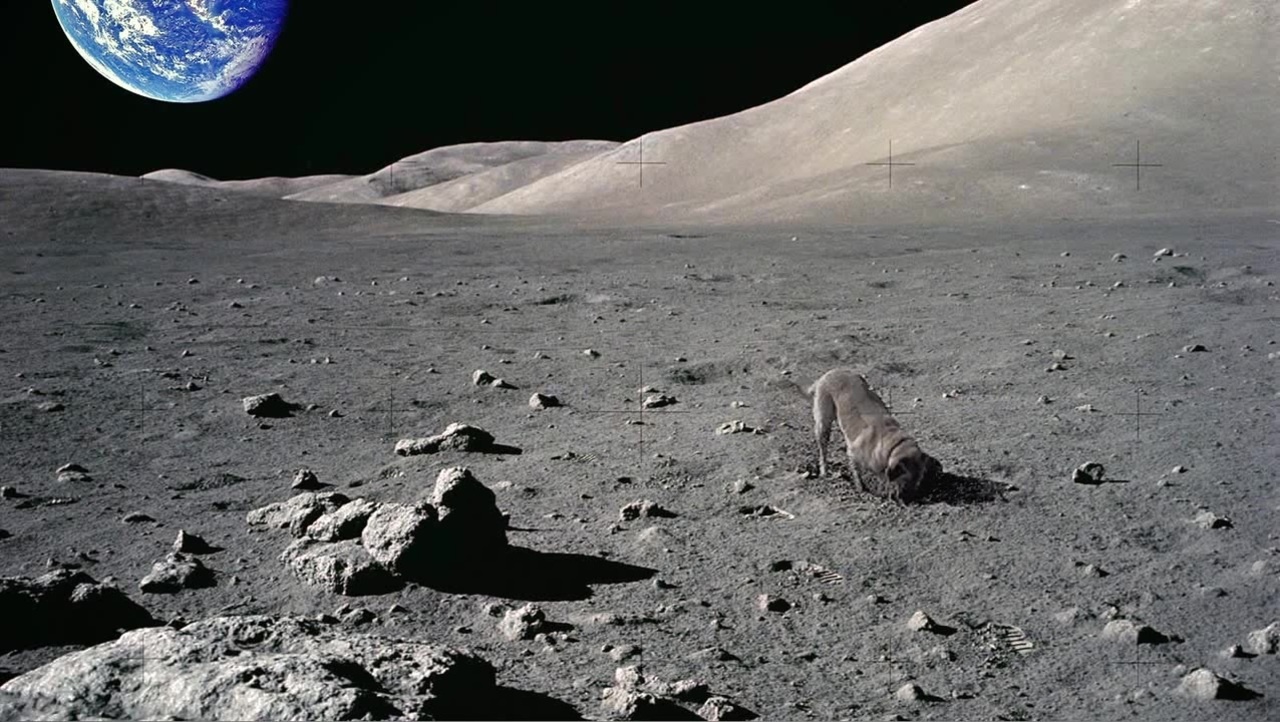
(l-r) Ariana Grande, Pharrell Williams, and Mrs. Doubtfire

By Allesandro Rotondi

Ariana Grande has some bangers, there’s no doubt about that. Tunes like “Into You” and “No Tears Left to Cry” are ahead of the pop curve. However, “Break Up With Your Girlfriend, I’m Bored” is something from a different bag. Her latest album thank u, next was heralded for being made by her in two weeks. Let me rephrase that for you: her ten producers (fact), and umpteen songwriters finished the album in two weeks. Ariana herself probably rolled up to the studio for a hot three days of recording sessions, tracked for fifteen or twenty hours, and called it a night.

Ariana herself is a good singer, respectable performer, and acceptable songwriter (if the tracks accredited to her are trustable), though at times she sounds like Lady Gaga getting over a sinus infection. However, this track has six songwriters and three producers. A name that popped out to me right away was Max Martin. If you don’t know Maxey, he’s the ghostwriting babysitter of every Nickelodeon child actor turned pop superstar. He’s great at writing melodies, but I just can’t get on board. It might be his beard, or perhaps it’s the bubblegum pop about teenage drama and cheap sexual innuendos that he crafts in such an ingenious way. Take Katy Perry’s lyrical masterpiece “Bon Appétit”, for example. However, it’s probably just the beard.

Maxey and Ari’s team stay within their comfort zone and formulaic style. They know what the radio wants, and know where the money’s at. And all the big boys on the top floor of Universal Music love ‘em for it. But from a musical standpoint, this bubblegum is stale, and has been chewed far past its flavourful peak. Kudos to Lady Gaga for going jazz. I hope one day Ariana breaks free of her shackling production team and makes a folk album, or an a capella choral work like her beautifully layered gospel-esque backing vocals on “God is a Woman”.

Finally, my message to you, Ariana: break up with your producers, I’m bored.

Toro y Moi, “Baby Drive It Down” (Outer Peace, 2019)

By Allesandro Rotondi

I first took a liking to this song because I thought it didn’t sound like dance/pop music, as opposed to many other tracks on the album. Rhythmically, it grooves like a dance tune, and the instrumental loops like a dance tune, but it sounds like a chillwave-synthpop song. The marimba-sounding synthesizer part loops and dances around the pulsing kick drum beat that drives the song forward and acts as the backbone. The marimba sound is light and fluffy, constantly fluttering in the foreground. It gives off a tropical vibe, like something off the Super Mario Sunshine soundtrack. Because of this, it makes me happy, and gives me feelings of childhood nostalgia.

The lead vocals are strong, but cool. Stacked with two layers of voice, the melody comes off as thick, but smooth in execution. There is also autotune, which is popular in modern pop music, and the hip-hop and dance genres particularly. The repetitious line that clamours “You know I want you right now” for the entirety of the choruses, thrusts this track into the dance/pop genre, noted for its looping instrumentally, melodically, and lyrically. However, it is not forced. It feels intended by the artist, and perhaps this voiced repetition is because he really wants the object of affection to know he means business. I want you, like, right now. The auto-tune and double tracked vocal almost create an unnatural, robotic feel, like a love song from a free-thinking machine.

Since the marimba loop is unchanging, the droning bass tones are the only musical element that can change the chord root. With two or three chords total at best (“Moves Like Jagger”, anyone?), Toro y Moi does a fine job of crafting a well-landscaped, memorable, and interesting vocal melody. It’s one of the best melodies over a simple dance/pop progression that I’ve heard in a long time.

“Baby Drive It Down” definitely drives it home.

Tori Amos, “Space Dog” (Under The Pink, 1994)

By Allesandro Rotondi

The second I turned on “Space Dog,” I wondered if I’d turned on a smooth Sonny Rollins jazz tune. Several seconds later, I felt as though I had been lurched into a 007 movie. The sneaking bass synthesizer drives the rhythm of the tune, and Tori Amos’ smooth vocals lurk in the distance with a spacey, reverberated echo that clearly represents the song’s title. The tune draws from many different styles and genres, and some of them come across as quite odd. However, like the title’s juxtaposition of words space and dog may suggest, this is an odd song.

Elements of jazz, funky guitar strumming, punky bass synths, and melodious classically-reminiscent piano playing are some of the many influences that can be heard melded together within this profound piece. Amos also sprinkles in moments of melodic dissonance, using suspenseful piano tones that lead to a cadence, in which all tension is resolved. Droning guitar tones also linger in the background, creating a spacey vibe that paints a picture for the listener, as though a dog were driving a moon rover through space. At times the beat is driving in a 4/4 time, straight rock style with full instrumental texture, and at other times, Tori transitions into a smooth bridge that flows with light piano, in a Romantic-era style reminiscent of Chopin. That being said—when looking at a list of standout 1994 tracks, you will likely see cuts from alternative, grunge, pop and punk bands like Weezer, Nirvana, Green Day, Bush and The Cranberries. But among that list, you may find a more difficult to pinpoint Under The Pink track. Among this list, Tori Amos’ sound, exemplified on “Space Dog,” is something fresh, unique, and different. It is unlike the stereotypical grunge and alternative styles that define the era to newer generations, and even comes off as a breath of fresh air beside the often cookie-cutter Top 40 pop music of today.

Tori Amos breaks free of pop expectations and rules, to create music for herself. And that’s something that never goes out of style.

Deerhunter, “What Happens to People” (Why Hasn’t Everything Already Disappeared, 2019)

By Allesandro Rotondi


After nearly twenty years on the radar, Deerhunter is clearly no slouch on the pop/rock playing field. One tune that particularly caught my ears was the bittersweet “What Happens to People,” off their new album Why Hasn’t Everything Already Disappeared. With a colourful sound, bright guitar and piano tones, and harmoniously consonant chords, this tune comes off as lighthearted on the first listen, but quickly turns into a melancholic croon for answers to the immortal question of human existence and purpose. The song is dynamically split between texturally light guitar and piano playing panned left and right, with drums, bass, and vocals as the centre focus. The thrice-recurring bridge section halts the uptempo groove to a half-time shuffle, entirely at the hands of the drummer, who is the driving force behind the song’s rhythms. The later bridges also find the drums split into two separate tracks of individual playing, layering rolls and fills that thicken the dynamic texture that contrasts the rest of the song.

The instrumentation, playing style, sound, smooth vocals, and especially production, all harken back to the retro days of psychedelic pop, but with a modern twist; like The Zombies’ Odessey and Oracle, coupled with a subtle layer of synthesized keyboard parts that drive the vintage sound into the 21st century. This song could be interpretively taken two ways. Like the yearning lyrics and tone of Bradford Cox’s voice, coupled with the backdrop of radiant and almost-smiling instrumentation, the world does not stop for anyone or their concerns. What happens to people? Perhaps like the tone of the music, the world keeps moving forward and eventually forgets all about you. In another light, the instrumentation reassures the curiosity and doubtfulness of the vocals and lyrics, as though the world comes to remind you at times of pending grief that everything will once again be okay in time. The striking piano melodies that tinker between the breaks in the verses’ vocals allude to this possibility. “Take a step back, and figure it out,” Cox sings. It might all be rhetorical, but perhaps eventually we just may figure it out.

Nirvana, “The Man Who Sold the World” (Unplugged, 1994)

Nirvana, “The Man Who Sold the World” (Unplugged, 1994)

By Allesandro Rotondi

nirvana5

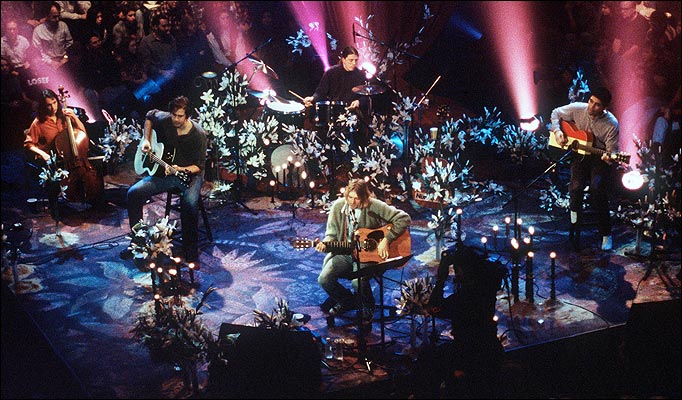
And there they were, unplugged and stripped down as most audiences had never heard them before. On the stage of MTV’s Unplugged, Nirvana performed an intimate show for fans that were blatantly unaware that in a few months the band would be no more, due to the tragic and untimely death of frontman Kurt Cobain. With “The Man Who Sold the World,” a David Bowie cover released as a leading single to this posthumous live album, it is easy to assume the death of Cobain had a hand in the song’s popularity. However, it likely something less. Or perhaps more.

This performance, captured live with microphone squeals and guitar booboos intact, allowed an intimate insight into the heart of the band, Kurt, and most of all, the music. Famous for the 90’s grunge sound of distorted crunch guitars, bar chords and angst-driven drum beats, this was a chance for acoustic guitars and bass, drums hit with bamboo sticks, and even a guest cellist.

“The Man Who Sold the World” has nothing to hide. It is a performance with heart on sleeve, and perhaps that was the appeal to heartbroken fans and music lovers crooning for a chance to get inside the head of their fallen hero. Twenty-five years later, with the death of David Bowie still somewhat fresh on the radar, this song and performance is still as relevant as ever. Perhaps even without context, this tune comes off with an airy and almost eerie vibe, as though for three minutes and forty seconds, you have actually come face to face with the man who sold the world. As Cobain sings lines like “I must have died, a long long time ago,” accompanied by a haunting and unwavering three-note guitar melody, it is difficult not to think that Kurt Cobain, a man who sold the world, may actually be singing about himself.

See below to watch the performance, recorded live off the floor: