Album in Context – Oasis “Definitely Maybe” (1994)

By Michaela Maxey

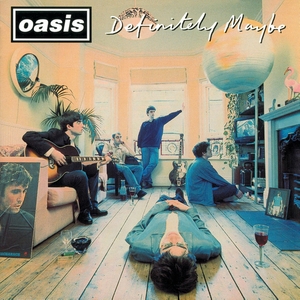
Oasis “Definitely Maybe” album cover

The year of 1994 was economically disastrous for the UK under Margaret Thatcher’s government. There was widespread strikes amongst the public sectors and unemployment had reached 3.2 million people. So how did two brothers from Burnage, a somewhat unremarkable area of Manchester, rise through all the struggles they saw around them? It wasn’t easy for Noel and Liam Gallagher, but they did manage to come together. Liam had originally been part of an earlier band called Rain with drummer Tony McCarroll and guitarist Paul Arthurs. Once Noel joined, the band name was changed to Oasis. In ‘94 the band released their debut album Definitely Maybe which became one of the most sold debut albums of the time, reaching as far as North America where it became just as popular.

In Definitely Maybe, Noel Gallagher brings forth honest and blatant statements, never shielding away from potential backlash. This is especially seen in songs like “Up in the Sky” and “Cigarettes and Alcohol” that constantly reference drugs. These songs are drastically different in their sounds, that is “Up in the Sky” offers a quick beat and drawn out lyrics while “Cigarettes and Alcohol” slows it down into something that sounds more like an ode to drugs. Although I don’t recommend doing anything suggested in these songs, I’m loving how badass they are and the ‘cool’ feeling I get listening to them. Tracks like “Rock ‘N’ Roll Star” and “Supersonic” offer a certain loudness to the album through their use of electric guitar and drums that mimic the loudness of society; if the noise of workers striking was ever captured, it would be in these songs. There is no quiet song until “Married with Children,” the final song on the album, plays. After crashing our way through the tracks, we get a certain quietness that feels like credits in a movie beginning to role and the audience sitting in awe of what they just witnessed.

Truly, this album is a masterpiece. It somehow combines the smugness of the Sex Pistols and the melodic tunes of Paul McCartney, constantly weaving between the two extremes and reflecting the instability that both the band and society were facing.
Album in Context – Jeff Buckley’s “Grace” (1994)

by Chelsea Ives

Amidst the insurgence of the pop-rock-grunge-alternative music scene, Jeff Buckley was the steadfast stone against the current that was the onslaught of popular punk-rock music. While Greenday released their first major studio album, Dookie, and ushered a new era of pop-culture music, Buckley instead chose to be the resistance. Combating the music scene which threatened to be homogenized into the new and growing sound of grunge-punk, Buckley flooded the music scene with his original folk-rock songs and re-vamped versions of classics like Led Zepplin’s, “Night Flight”.

The most important aspect Buckley brought to the table was his incredible voice. Somehow both ephemeral and tangible at once; Buckley’s voice truly is angelic, and I understand where the title of the album comes from. The album opens with his original song, “Mojo Pin,” which features Buckley’s voice breaking through silence in a haunting and sublime interference, as the song fades in so slowly it is almost imperceptible at first, before building with Buckley’s vocals.

Buckley had a huge impact on the music scene in New York in 1994. Where other musicians had tried to kick off their career by doing covers of songs that were (already) over-done, trying to play them in the exact same way; Buckley shone through the masses like a lighthouse. His renditions of the same songs were always vastly different and always stimulating. Take for example his cover of Leonard Cohen’s song, “Hallelujah”. Arguably a favourite to be covered by artists, all of them always sounding the same. Except of course, for Buckley’s version. Indeed, Buckley’s version of the song has come to be the most popular version of the song. Included as the sixth track on the Grace album, Buckley’s rendition of “Hallelujah,” could not be more different than Cohen’s. Where Cohen’s version is comprised of a heavy, jazzy-blues sound, Buckley turns “Hallelujah,” into a light, airy melody which truly gives the impression that he knows the secret chord.

Jeff Buckley’s album, Grace, is one that has stood the test of time, only becoming more popular since it’s release in 1994. Grace will continue to inspire for years to come.

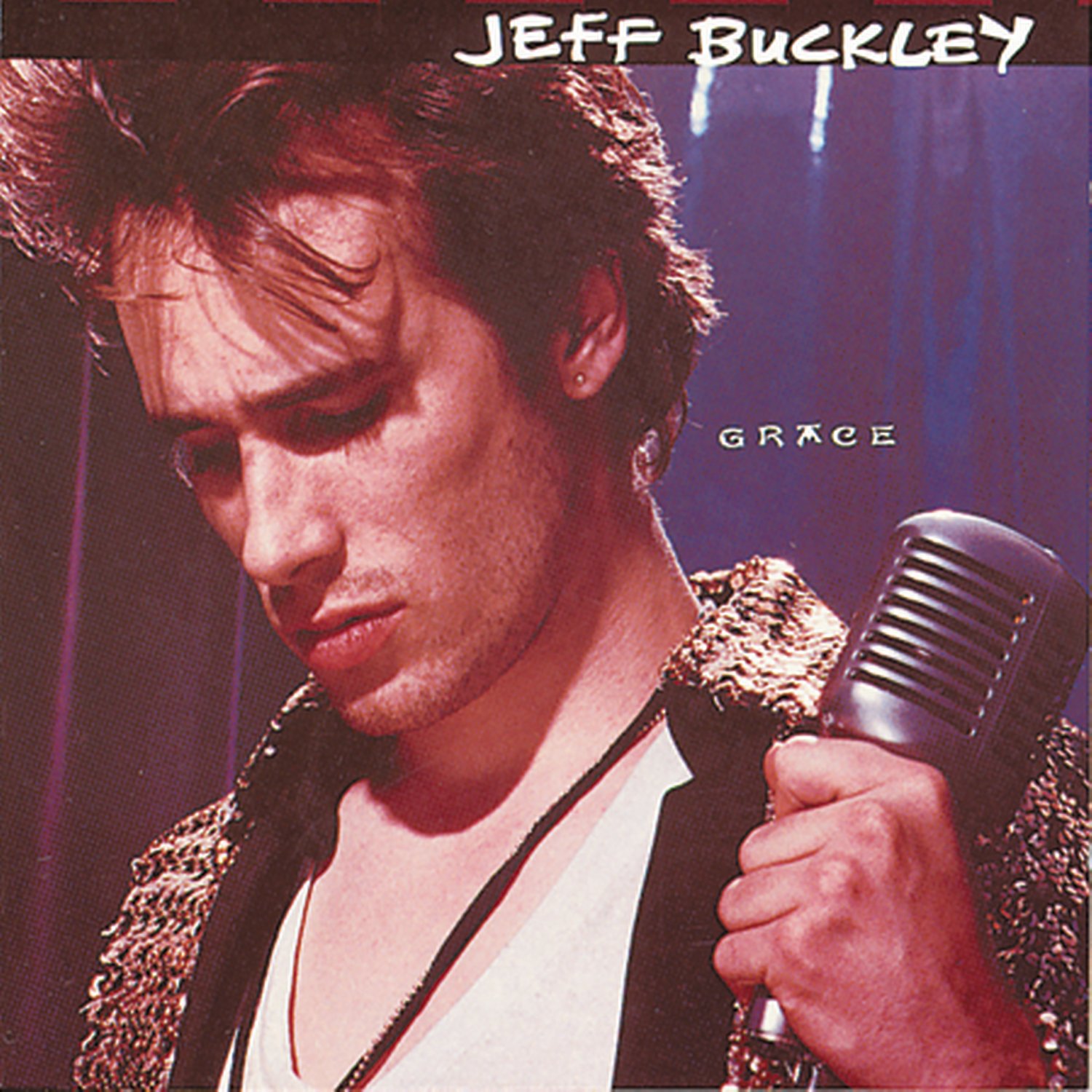
Jeff Buckley’s only full length studio album, Grace. (August 23, 1994).