1994 in Music—A Renaissance

Photo courtesy of Blank Newspaper

1994 was a year of a renaissance in all aspects of popular culture. The internet was rising in mainstream popularity: Aerosmith was the first band to give a song away for free online. Britpop was peaking in popularity with bands like Oasis and Blur, and the UK was answering to the grunge scene in the US.

While 1993 was considered “the year of hip-hop and R&B” according to Vibe magazine, 1994 offered a rebirth of grunge and rock and roll that seemed to blend genres and advocate for political justice. Grunge, funk-rock, and pop-punk bands like Nirvana, Red Hot Chili Peppers, and Green Day were at an all time high. So what caused this drastic shift from hip-hop to the scene we know today? It may help to look at a break down of the year.

JANUARY:

The beginning of 1994 saw an attempt to heal old wounds with Bryan Adams performing in Vietnam in January – the first major Western artist to do so since the end of the war nearly 20 years previously. A fitting start to a year that saw the music scene grow by leaps and bounds across the world. Shortly after, Alice in Chains released their album Jar of Flies, the first EP ever to debut at No. 1 on the Billboard 200, foreshadowing the rebirth of rock and grunge that ‘94 would offer.

FEBRUARY:

February introduced Green Day’s third studio album Dookie. Punk has always been a major musical genre, but by 1994 the genre had become associated with the sound of angsty teenage drama that, quite frankly, was getting old. Yet, one band rose above the typical sound and was able to redefine the musical genre that is punk. While Green Day’s album Dookie was originally meant to be a parody of all punk that came before it, it ultimately launched punk into a mid-90’s revival and changed the genre from angsty teen to a much more upbeat sound. Through offering this new sound, Dookie became an instant success. By March of 1995 it had won a grammy for Best Alternative Album. Although Dookie only made it to the 2nd highest spot on the music charts, it has sold over 20 million albums to-date and turned the genre of “angsty teen” into a new upbeat, derisive sound which is known today and can be heard across like Blink 182, Sum 41, Good Charlotte, and Avril Lavigne.

MARCH:

1994 was a pivotal year for industrial rock with the once alternative genre making its way into the mainstream music scene following the release of Nine Inch Nails’ second album The Downward Spiral. People went nuts for the release, enjoying its combination of industrial rock, techno, and heavy metal sound; it received positive response from critics and fans alike. Not only did it reach number two on the Billboard 200, but it went on to sell 3.7 million copies in the United States, earning it an impressive quadruple platinum certification. The once underground genre had risen well above the surface.

Despite the positive response from some, like with any album release, there were also some criticisms. The main critiques of the album revolved around the dark and often gruesome lyrics. Social conservatives especially protested the album’s treatment of religious themes; in the song “Heresy” for example, the lines “God is dead and no one cares/ If there is a hell, I’ll see you there” sparked intense criticism. Others were also hesitant about the sound’s movement into the mainstream music world, believing that industrial rock was too harsh and extreme. But regardless of the backlash and opposition, the album still contributed to industrial rock’s new mainstream presence, and The Downward Spiral is retrospectively recognized as one of the most important albums of the decade.

APRIL:

One of the most eventful months in music history—Kurt Cobain, lead singer of Nirvana, was found dead in his home. His death was ruled as a suicide from a self-inflicted gunshot wound 3 days earlier. He had been missing for six days.

A month before, Cobain fell into a coma after an overdose. His management agency stated that he was suffering from fatigue and influenza, and that the overdose was accidental. Cobain’s wife, Courtney Love, told Rolling Stone that he took 50 pills and that there was a “definite suicidal urge.” This information was only released after his death and the incident was confirmed to be an earlier suicide attempt by Cobain.

Anthony Kiedis, lead singer from Red Hot Chili Peppers, stated that, “The news sucked the air out of the entire house…‘The world just suffered a great loss.’ Kurt’s death was unexpected … It was an emotional blow… for all of his screaming and all of his darkness, he was just lovable.”

After his death, every American musician mourned together and each paid tribute to Cobain in one way or another. Nirvana touched the lives of every music lover. Indeed, the death of Kurt Cobain was a collective loss for the world.

MAY:

In May of 1994, Nelson Mandela had left a globally historic mark in politics for being the first ever black Prime Minister of South Africa. Not only is he known for his anti-apartheid movement, (which was concerned with removing policies that enforced segregation between South Africa’s white and nonwhite citizens), and  his revolutionary position as a political leader, Mandela paved the way for many artists learning to combine politics and music.

In the late 60’s to late 80’s, Nelson Mandela was imprisoned for treason against the apartheid government. During this time music played a huge role in Mandela’s personal, spiritual, and political life. While he was serving jail time, artists across the globe were protesting for the very things he believed in—freedom, equality, peace, and specifically anti-apartheid. In 1985 a song was released by Artists United Against Apartheids. Called “Sun City,” the song was a public pledge made by over 50 artists, promising a cultural boycott against South Africa until the apartheid ended. According to Los Angeles Times, the song “for the first time brought together on record superstars of rock and R&B with the kings of a rising young genre called hip-hop.” Not only did “Sun City” fuse genres and artists together, but also merged nations such as South Africa and North America in order to put an end to racial segregation and discrimination.

1994 was a year known for addressing politics in music and we can salute Nelson Mandela for giving us the opportunity to address important political movements through music. Mandela even said so himself that, “Music is a great blessing. It has the power to elevate and liberate us. It sets people free to dream. It can unite us to sing with one voice. Such is the value of music.”   

JUNE:

In June, Aerosmith released the first free full-length song ever to be available on the internet. The song, “Head First,” was downloaded over 10,000 times on the web server CompuServe within the first eight days of its release. 1994 was a pivotal year for music, not only in sound, but in distribution. With the birth of the internet 5 years previously, it changed the way music was consumed from 1994 on. 1994 saw a shift towards online databases which would revolutionize the way music is distributed and accessed.

Although the internet by no means took off in 1994, it without a doubt paved the way for how music streaming would be transformed today. Having had both positive and negative effects on the music industry since, the internet created a new platform for music to be available on—which is arguably the most important and widely used way of consuming music today. YouTube, Apple Music, SoundCloud and Spotify are just a few of the online streaming services which depend on the availability of the internet for their success.

The internet was also responsible for the popularization of the Indie genre, as the internet gave independent artists a wider audience without the difficulties of finding a major label to sign you. Especially with new technology available today, every new laptop Apple releases has the ability to record music, increasingly better than what makeshift technology garage bands had in 1994. The internet gave people an audience then just as it continues to give burgeoning musicians an audience now.

The early 1990’s also saw the modernization and popularization of different methods of producing music as well. For example, the synthesizer, an electronic instrument which generates audio signals and converts them to sound, was first created in the 1960’s. By 1994, however, synthesizer’s were reimagined into compact, portable machines, and (thanks to the popularization of the internet) began to appear in computer software. The synthesizer software became available for personal computers – which made it even easier for at-home garage and Indie bands to record music.

Not only was the synthesizer popularized, but so were electric loop systems. Although not yet called “loop pedals,” the early 1990’s saw the introduction and widespread sale of live electronic recording devices. Musicians like Ed Sheeran would not exist, or at least not be able to play live shows without the loop pedal. Technology boomed in the early 1990’s giving musicians the ability to play alone by creating machines which allowed them to do more with less.

The internet is responsible for changing the way music has been produced, accessed and distributed, and the technological innovations of 1994 were a huge step for musicians-kind. We are still living in the age of the internet; everything we want is instantly accessible right at our fingertips. When all I need to do is say, “Hey Siri, play ‘Black Hole Sun’”, what is the appeal of going out and buying hard copies of music anymore?

JULY—AUGUST:

July saw the launch of two popular festivals: Yoyo a Go Go, a punk and indie rock festival in Washington, and Verbier Festival, focusing on classical music, in Switzerland. As SPIN magazine described, “the first Yoyo blossomed in the damp heat that followed Seattle’s grunge explosion.” It also marked the first time that Krist Novoselic and Dave Grohl performed together after Kurt Cobain’s death, in an unscheduled performance with The Stinky Puffs. Yoyo was held four times up until 2001, and Verbier festival still continues annually to this day.

Later, August saw a continuation of music’s growing ties with the internet. On the 13th, Sting released a CD copy of Ten Summoner’s Tales, which was the first time a physical music unit was sold and shipped entirely because of the internet.

Jeff Buckley’s only studio album Grace was released on August 23rd, and despite a mix of good and bad reviews, it barely cracked the US Billboard 200, peaking at #149. Twenty-five years later, it has grown to be legendary, and has been named platinum several times over worldwide.

On August 31st, across the pond from the US, Oasis’ debut album Definitely Maybe exploded onto the scene, quickly becoming the fastest selling debut album in the history of the United Kingdom. It was around this time that the term Britpop was coined to describe the musical culture growing around British music in the mid-90’s. Britpop was seen as the answer to the US grunge scene, contrasting the dark themes and sounds with poppy and catchy alternative rock.

The end of summer was commemorated with a 3-week 25th anniversary festival of Woodstock in Saugerties, New York, commonly referred to as Mudstock. Bad weather and copious amounts of mud didn’t stop the artists or audience from rocking out for “2 more days of peace and music”. The festival featured all kinds of musical performances including Sheryl Crow, Metallica, Greenday, The Allman Brothers Band, and Salt-N-Pepa. The most memorable event of weekend party was in the middle of Green Day’s setlist, guitarist Billie Joe Armstrong interrupted their playing to start a massive mud fight with the audience on the South Stage.

Meanwhile, almost one thousand miles away R. Kelly was bringing the “love” into “love and hip-hop”. On August 31st, he drove to Illinois with his “close friend” and mentored student, Aaliyah to be married. This became quite the scandal and a lot of speculation rose from the matrimony , seeing as there was a 12 year age gap between the artists and Aaliyah was only 15 at the time. Aaliyah never confirmed that the marriage was official, only telling the media that “they were just rumours”, until she confessed that she lied about her real age on the court documents and that she was too young at the time to properly consent to anything without her parents’ permission. The marriage was annulled only a couple of months later and she cut off all contact with Kelly altogether.

SEPTEMBER:

Autumn was the time for falling in love with Boyz 2 Men’s melodic harmonies as they  resurged the R&B genre back onto the charts when they released their single, “I’ll Make Love to You” on September 3rd. It has remained no. 1 on the Billboard Hot 100 for 14 consecutive weeks and this was the longest running number-one of the entire year until it was beat out by another one of their songs, “On Bended Knee”.

OCTOBER:

October offered a launch of the nu-metal genre thanks to the band Korn, who released their self-titled album on the eleventh of the month. Critics considered how Korn established the new wave of metal, and influenced other popular bands such as Slipknot. In a year where grunge and rock takes centre stage nu-metal was creeping up in popularity near the end of 1994. The album went gold in the United States in 1996 and recieved platinum one year later.

On the UK side, Irish rock band The Cranberries released their 2nd album No Need to Argue. This album featured one of their most successful songs “Zombie,” a political protest song with aggressive lyrics that fit the mood of 1994. The song was dedicated to two young victims of the Warrington bomb attacks of 1993.

NOVEMBER—DECEMBER:

The death of Nirvana frontman Kurt Cobain continued to come up as a hot topic in the later month of November. Previously on November 18, 1993 the band performed acoustically for MTV unplugged. The band took inspiration from Mark Lanegan’s 1990 album The Winding Sheet, which was characterized for having a stripped down sound. The aesthetics of the room during the performance mimicked the mood and look of a funeral. Cobain requested stargazer lilies, black candles and a crystal chandelier, all which foreshadow the tragic event that occured in April the following year. It was not until November 1st, 1994 that the band released their first album after Cobain’s death, titled Unplugged in New York. Their live performance gained popularity, and was different than the other Unplugged performances on MTV. The sound, mood, and aesthetics of this performance were unforgettable, which lead them to win the Grammy award for Best Alternative album in 1996. One year later, it was certified 5x platinum.

In December, Warner Music Group bought a 49% share in the record label Sub Pop, a deal believed to be worth 30 million. At the time Sub Pop was an independent label, most famous for releasing Nirvana’s debut album Bleach and being synonymous with the Seattle music scene, but after the international breakthrough of grunge, many of the label’s bands took Nirvana’s lead, and signed to larger, more commercial labels. This deal terminated Sub Pop’s independence.

IN RETROSPECT:

There is no doubt that 1994 had its fair shares of highs and lows. From the death of Kurt Cobain, to Britpop making a comeback in the American music scene, it truly was the year of a renaissance. 1994 offered the emergence of the new upbeat punk, the birth of the internet that changed the way people accessed music, and the continuation of using music as a political platform. All the things we see in today’s music scene were influenced by what took place in 1994. It truly was a rich year that left a lasting impression on the world.

“This Town” by Kygo ft. Sasha Sloan (2017)

“All of my friends are settling down/ Their only kids but their married now/ Let’s follow the lights, follow the crowd/ Baby we gotta get out/ Let’s get out of this town”

The first time I heard “This Town” was on a scorching hot summer day. It wasn’t like it was a “nice” hot either, it was painful. I was on my way to work and I was already sweating thinking about the huge paint job that was waiting for me once I get there. The first thing I remembered about this song was how the beat, instrumentals, and vocals all fused together to create a “chill” atmosphere in my tiny SUV. It helped to set my mind somewhere else rather than my unconditioned vehicle. With its downtempo and pinches of dance that remain constant throughout the track, it literally made me feel like I was on a much-needed break from reality. However, something I didn’t pay attention to the first time listening to this song were the lyrics.

               Once I replayed the song a few times, I noticed that Kygo created a beat that works extremely well with Sasha’s vocals and the overall lyrical meaning of song. Sasha’s vocals are so soft and so calm that it would make any runner’s heart rate stabilize after the verse is sung. As for the meaning, the song is about slowing things down. Instead of conspiring to the same old routine of eat, work, sleep, repeat, this song suggests that we are all still young and should be experiencing and enjoying the world for what it has to offer. Just like Sasha Sloan sings, “I don’t wanna live my life in circles/ I just wanna find an empty road/ Let’s get away from here, let’s go.” So, let’s all get away and enjoy this beautiful world that gets lost in the everyday routine. The soft acoustics in the background with pinches of dance, the little twinkling that is heard in the background, Sasha’s vocals, and the lyrical nuances all fuse together to create to tell us all— “Hey! take it easy”

-Maria

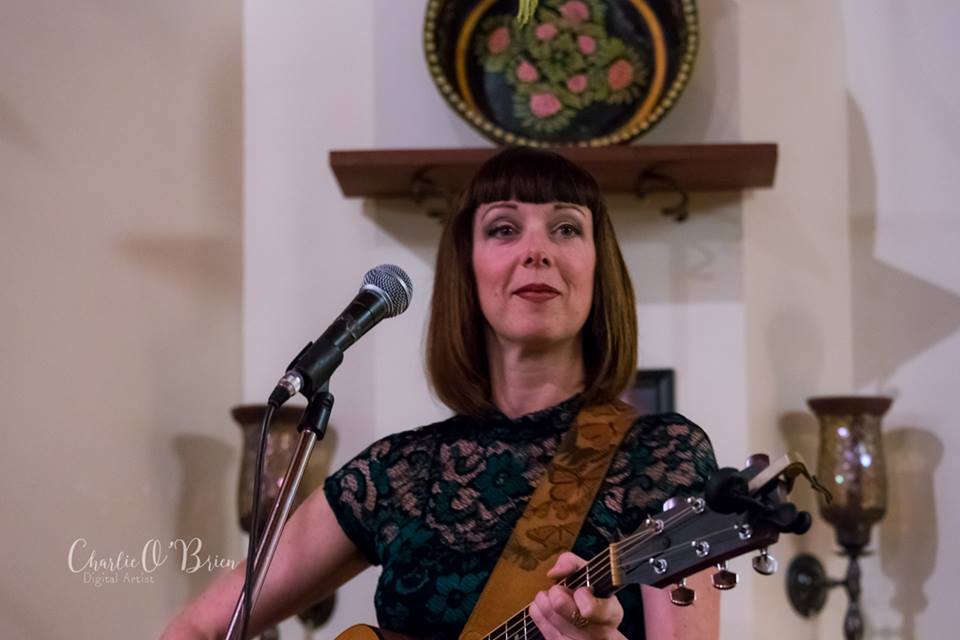
Tara Watts: Windsor’s Finest Songbird

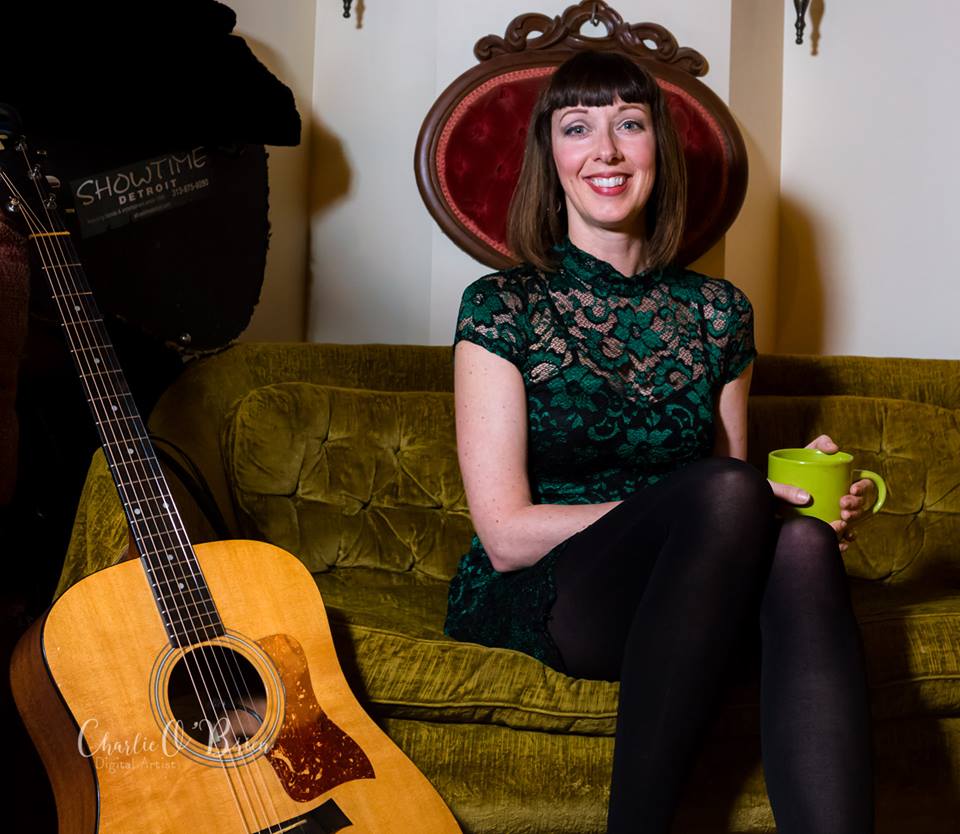
Photo courtesy of Charlie O’Brien.

Sitting in a small Leddy Library study room at the University of Windsor, our little trio of interviewers waited anxiously for Tara Watts to arrive. In the hopes of making a good impression, we set up our audio equipment and laid out an offering of cookies and coffee, appealing to that innate love for Tim Hortons that all Canadians share. After pumping ourselves up with a little caffeine, we finally received a message that Watts had arrived at the building. It was time to begin.

Leading her up to our little rented room, we showed Watts in and sat for a few minutes, getting comfortable with each other. Warm and friendly, Watts quickly entered conversation with familiar ease, like we were friends catching up after being apart for months. It was no surprise that a seasoned musician like her was so comfortable speaking with us about herself and her art.

To start, we wanted to cover the basics when interviewing Ms. Watts. But when we asked her why she decided to become a musician, the answer we received was unexpected, yet honest. The Windsor-grown, folk-rock artist astounded our interviewers when she matter-of-factly responded: “Boys.”

“I can’t believe I’m admitting this; I’ve never admitted this before”, she said with a laugh, before disclosing her more serious answer: having been raised on music. Like many musicians and artists who grow to have a passion for sound, Watts explained how she grew up in a musical environment, whether it was with her parents constantly playing music in the background, or singing hymns at church and youth group. She cites her mother as a big musical inspiration — introducing her to the symphony orchestra, her Celtic roots, and always having music on in the house when she was growing up. Music was a significant aspect of her life from a young age, so the seed was planted early on.

But it didn’t stop there; a teenage Watts learned to combine her journaling with a newfound love of guitar. Living across the street from a guitarist proved good exposure for her, as her neighbour encouraged Watts to sing and play simultaneously. Singing in her own made-up language as she learned to strum chords, Watts wrote her first song this way. Suddenly, things seemed to click into place as she realized her talent and passion for songwriting. Inspired by topics such as nature and the questioning of her faith — which she refers to as “some of this religious B.S.” in our interview—Watts began to speak her mind and put her thoughts and feelings out into the world.

And for over fifteen years, she has done exactly that.

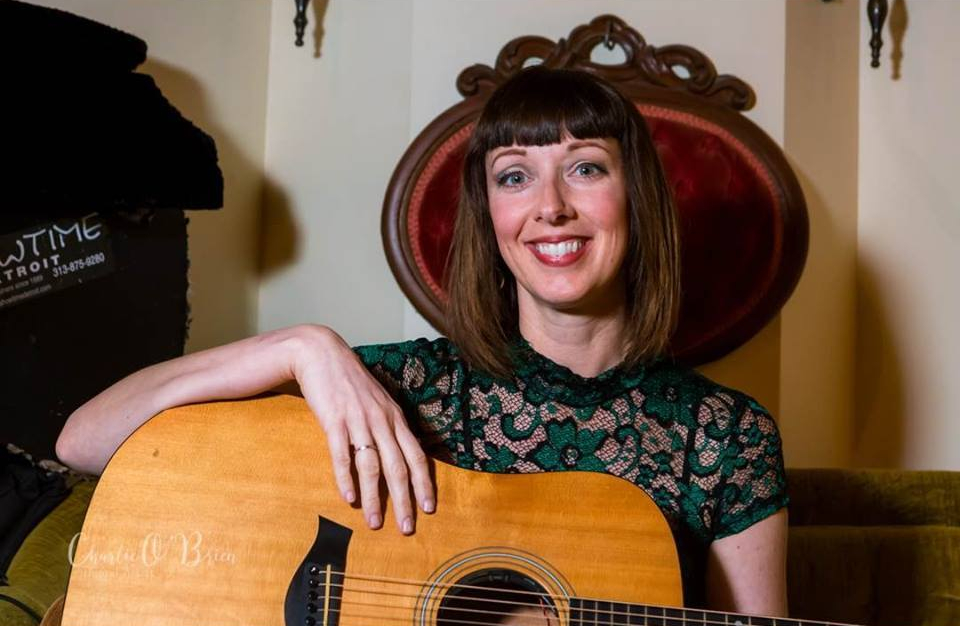
Photo courtesy of Charlie O’Brien.

Taking the Windsor music scene by storm, she’s managed to make her mark with gorgeous song lyrics and a voice both haunting and angelic. She’s performed all across Windsor as a solo artist, and with bands like The Locusts Have No King, Years of Ernest, and a trio with Kelly Hoppe and Ron Leary. She’s won the award for “Best Female Original Artist” by Windsor Independent Magazine four years in a row, which is huge for the Windsor music scene. Windsor hosts some of the most talented musicians in a variety of genres, yet not all are recognized for their talent. Many local artists agree that the Windsor music scene can be difficult to get into, but once you’re welcomed in, you are embraced by the most loving crowd. Watts described the Windsor music scene as gritty, but with an unmistakable charm that always leaves you wanting more.

The Windsor music scene isn’t the only thing that’s impacted Watts’ unique sound. Despite being a Windsor-grown city gal, her love of nature has influenced her music tremendously. In our interview, she explains how despite growing up in the highly automotive-based city, her parents taught her to appreciate nature—even if it was a small flower sprouting from the cracks in a sidewalk. The first song she ever wrote was actually composed during a trip North as a young girl, and her spiritual-like connection to the serenity and beauty of nature has since continued to inspire both the tone and lyrics of her music. “I love the earth. […] For me, I feel like nature is my church—like, I don’t do church anymore, […] but I feel like nature speaks to me. I find [it] healing.”

Her love of travelling has brought her all over the world, and she recounted her favourite performance moment for us. Travelling with a church group in her early 20’s, Watts performed for over 2,000 people at a concert in Thailand. Her and her church group travelled all over Thailand before returning back to Canada. More recently, she travelled to the Northwest Territories in 2017, following a boy again, using the time there to write and create new music.

Her many venture around the world have influenced some of the songs on her 2014 album “Pale Blue Moon”, which is brimming with gorgeous natural imagery. Lyrically, the album takes you away from the city’s sirens and harsh lights, whether it be on a mountainside like in her song “Hello Sun” or to the edge of a cliff overlooking trees and a river in “Barren Trees”. Her spiritual connection to the natural world is mirrored through the stunning simplicity of her folk sound, and she pairs the lyrical landscapes she creates with the simple yet enchanting layering of acoustic instruments to transport you to the places she’s travelled. The genuine pain and sincerity you can hear in her vocals makes you realize how important nature is to her—important as an escape from the hustle and bustle of the Windsor city, and at times, an important way to heal. And in 2016, healing was a necessity for the singer.

Watts’ life stopped completely after a tragic biking accident in 2016. Her perspective on music and life changed completely. In a CBC interview, Watts states that she now has a “new appreciation on life and [on her] days and time.” She was no longer rushing to create music, but now she slowly takes her time in the writing process. Her bike accident resulted in a traumatic brain injury where she suffered a concussion. In our interview, Watts made the point that her poor condition restricted even her ability to produce music. She had trouble keeping tempo and physically struggled to play the guitar, and it pained her to even listen to music. As horrible as it was, it can be seen as a “blessing in disguise”, since it allowed her to be reflective on her life, and see things from a different perspective. Her condition forced her to take care of herself as she could no longer work crazy hours with little to no sleep. It also affected her as a musician since she was more selective on where and when she will play music. Her new appreciation for life also pervaded her writing style. Watts suggested that her songwriting has only become stronger since her accident because it forced her to pace herself and carefully design each song with a more careful eye. In interviews previously, Watts would say that she used music as therapy and would write “in the depths of (her) despair” while now her music focuses on reflecting on all the beauty in life and being able to cherish it.

We were taken away by Watts’ perspective and asked how she kept positive. “You know what,” she remarked, “it’s the Windsor [music] scene that reminded me that I’m loved and supported. It was really overwhelming how much love I experienced. It is a hard scene, but when stuff gets real that’s where you see the heart of the city.”

And that’s exactly what happened. Summer 2016 saw the true love and charm of Windsor locals, musicians or not, as they band together to raise funds for Watts’ recovery, hosting a successful collaborative concert at Windsor Beer Exchange, and creating a GoFundMe page that surpassed its $5000 goal within 24 hours. The closeness of the tight-knit Windsor music community was shown in this moment, as was the love that locals had for Watts and her music.

No matter what you listen to, you can find traces of it in her. Whether it’s acoustic guitar in hand, or electric hollowbody, she blends in like a musical chameleon. From old-time country to folk, or pop-genre film soundtracks to Celtic roots, Watts has something for everyone. Speaking of which—friends and fans alike can expect something new from her in the coming future.

In an industrial city like Windsor, and the little brother of Detroit’s automotive industry, it is easy to forget that naturesque beauty is only a stone’s throw away. In the local scene, Watts is a constant reminder of this. She is many things; a flower blooming from the cracks of a sidewalk, or the first buds sprouting after a cold winter. But perhaps most of all:

Tara Watts is Windsor’s finest songbird.

Photo courtesy of Charlie O’Brien.

Listen to our interview with Tara here:

Billie Eilish “wish you were gay” (2019)

           Even though Billie Eilish’s new released track, “wish you were gay” sounds like a simple ballad, there are so many hidden elements in it that are heard each time you press the play button. What makes this track unique is that it is written by Billie and her brother, and it gears away from her “possessive act” in her other latest released track “Bury A Friend.” It is gentle and warm with pinches of twisted characteristics that follow throughout.

           “Wish you were gay” begins with nothing but Billie’s tenderly soft vocals and a raw acoustic guitar to follow; however, this changes quickly after the first verse is sung because it drops a reverb and a sub-bass that causes a rippling effect throughout the rest of the track. The tempo is easy to follow because it is a slowed down “boom boom clap” that is heard in Queen’s admired song “We Will Rock You.” The tempo also works as a metaphor for the hidden audience that can be heard engaging and cheering on Billie through her breakup story. My favorite lines in the track are “I just kind of wish you were gay/ To spare my pride/ To give your lack of interest an explanation” because that way Billie, me, you, and everyone on the face of this earth as a legitimate excuse for their breakup. The track ends like the beginning, soft vocals and acoustics, but fades out with the sound of an audience’s warped clapping. It leaves you wondering what the next song on the album is going to be.

 Billie’s upcoming album, When We All Fall Asleep, Where Do We Go? is set to release this March 29th. With two really well thought out songs already released from this album, I am curious to hear what other hidden elements are included in it.

-Maria

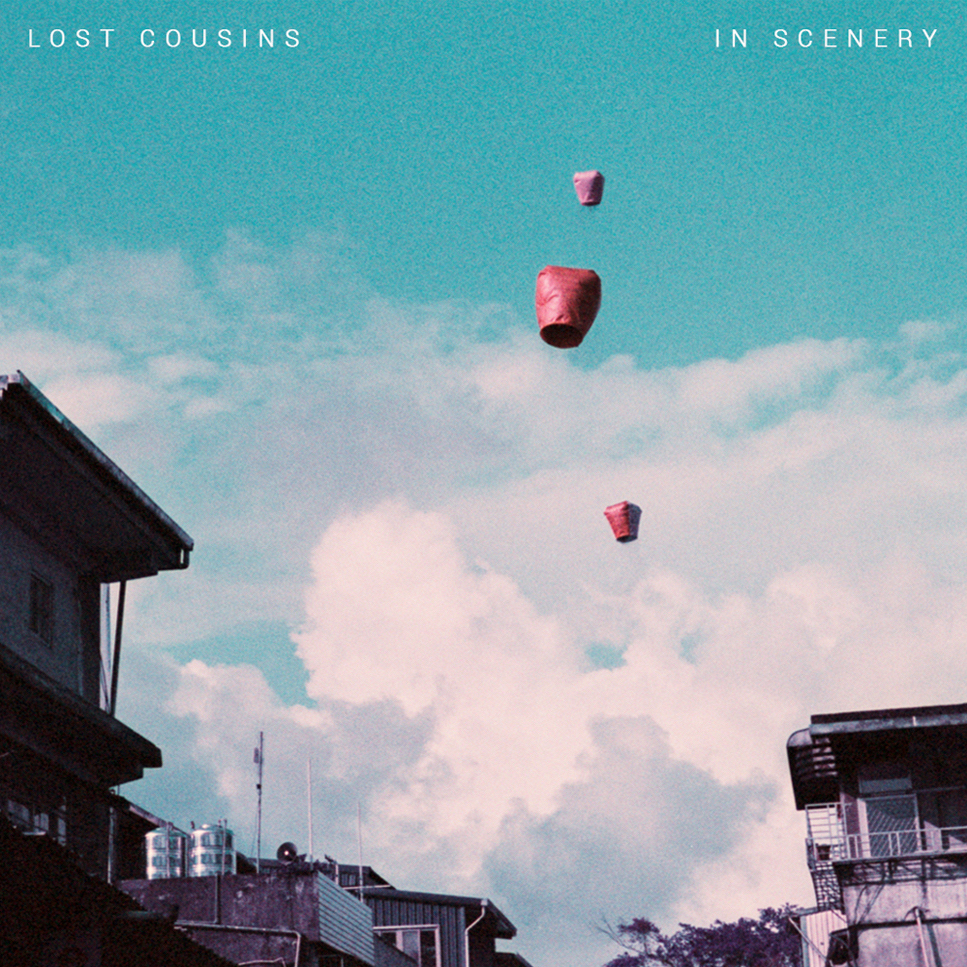
Album Review: Lost Cousins’ In Scenery (2019)

Lost Cousins’ recently dropped debut album In Scenery creates a mind trickling experience by bringing together colorful psychedelic sounds and life journey experiences to compose an art that is full of foreign elements—complex right? But complexity is what to expect when listening to this album because it is Lost Cousins’ complex sound and lyrical nuances that make In Scenery unique. An underlying feeling of being mentally lost is created over the span of 9 tracks and 31 minutes, however it all fuses together to make an abstraction concrete. This can be explained best through the Lost Cousins’ band name.

            In an interview with Music Mushing & Such, Lost Cousins’ explain that “because we all left friends and family in our respective homes, we felt a sense of new community, but also the loss of another. The name ‘Lost Cousins’ came from those feelings… feeling connected to people outside your physical environment, who you might not have communicated with in a while.”—this feeling is exactly what lingers throughout In Scenery.

            This Canadian four-piece psyche-rock band create their psychedelic radiations through their very own experiences (moving across country/ province) in which is used as the ground work for their music. Starting out as university students in the small city of Kingston Ontario, Cam Duffin-drummist and lyricist, Lloyd McArton-guitarist/saxophonist, Thomas Dashney-keyboardist and Dylan Cantlon Hay on bass guitar all came together with similar experiences of leaving their homes to pursue their education at Queens University. All band members are not what you would call “city boys”, since they all came from rural landscapes. Therefore, In Scenery acts as tribute to the natural landscapes the band members miss since moving to Toronto in 2015. What really fascinates me most is that not only do all the members of Lost Cousins contribute to the vocals in their songs, but they also compose their own music and lyrics in which they ultimately produced In Scenery.

            The first track on the album “Stay” prepares you for Lost Cousins’ multifaceted journey by incorporating psychedelic sounds and indie in a head on collision with lyrical nuances. The track starts out with a reverb, synths, and a looping electric twinkling that sounds like you are being pulled into a temporary colorful surrounding filled with foreign elements; however, when the chorus strikes with its upbeat tempo it makes you want to bob your head to its naturally warm percussions. Throughout the song it goes in and out of illusional momentary landscapes that set you up for the rest of their audacious album. When I first heard this track, I couldn’t stop thinking about an unexplained psychological scenario—when driving home after a long day at work, I sometimes ask myself “how the hell did I get home so fast?” It is the feeling of consciously being aware of where you are going and how you are getting there, but only momentarily aware of your surroundings. This unexplained psychedelic experience remains through the lyrical nuances in this track— “up above without following/ another one gone/ open up again/ oh I wanted to stay but I knew it was over.” It psychologically pulls you into its musical and lyrical compositions, but then throws you back out into a nothingness then repeats the process all over again creating an abstract feeling of being lost.

            The next track on the album, “Mindmaker”, doesn’t help make it any more concrete. What is interesting about this track is that it was the first track Lost Cousins’ wrote for this album. With cymbals crashing, heavy percussions, reverbs, synths, and electric guitar riffs, it takes you on a contrasting journey through the intellect. It is about a battle within the mind to reach an inner balance between urban city and rural vibes. With lyrics such as “All of the space you can’t occupy/ It’s heaven and time” in the first verse contrasting with “All of the colors within your mind/ It’s never divine” in the second verse, captures the midst of the intellectual battle between the rural open spaces and the celestial city lights that are engaged in a “Mindmaker bodyshaker” phenomenon. The end of the track finishes with fading electrical guitar scaling that leads into the next song which reveals the solution to the battle—a “City Escape.”  

            “Trails”, a ballad that is soft and progressively gets busy, is poetically enchanting. The soft piano keys descend under silvery vocals that sound like drizzles of rain. It all comes together when drum sticks click together and paired off with a piercing saxophone alto to create an organic environment. My favorite line in this song is “I know this is a rocky part/ Throw away the albums we’ll stand naked in the park” which resonates with Lost Cousins’ overall sound. Because they create their music with their very own instrumentation, they can create the exact same sounds that is heard on their album when playing live— “Screw recording equipment! because this band will still sound organically delicious even if they are performing live… in the park…naked”

            Although Lost Cousins’ maintain their psyche-electronic sound throughout most of their album, they finish it with an alternative texture combined with hidden electronic elements. The last song on the album, “Nothing” can appear as literally nothing when it gets busy with its layering textures of alternative and electronic-rock, but the band complete control over the busying layers it what pulls everything together. The sound relates to the lyrical nuances that shape the song ultimately especially in the line “It’s never nothing”—therefore causing you to scratch your head and realizing… “okay wait it is something”. It is a beautiful metaphor for someone being lost but finds something or someone to be grounded into. Like that lost cousin you haven’t seen in forever, and even though you reconnect with them over Facebook, Skype or even in a letter it still means something.  

In Scenery is like perceiving an abstract piece of art that has absolutely no existence to it; however, its contrasting vibrant and dark colors, gentle and harsh brush strokes blend all together to create a piece that is ultimately and explicitly concrete.

-Maria

“Con Calma” Daddy Yankee & Snow (2019)

Daddy Yankee and Snow in “Con Calma”

Have you ever heard of a cover that includes the original artist? Hell no! —it is extremely rare! Daddy Yankee, the Puerto Rican reggaeton king, has released a remake of Snow’s 1992 hit song “Informer” with Snow himself called “Con Calma.”

 I’m going to be completely honest, when I first heard this track I thought it was going to be another cover that yet again butchers an original. However, Yankee did more than just recreate a blast from the past, he included Canadian rapper, Snow, (that’s right Snow is Canadian—representing!) into his music to create a rich blend of today’s modern music of dance hall and reggaeton with early 90’s beats.

In an interview with Apple Music Yankee said that the 1992 hit “was one of my favorite songs growing up, and to do this the right way I needed the guy to be on the record.”

Being a person that absolutely hates remakes I appreciated what Yankee has so kindly gestured towards. Not only has Yankee included Snow on his track, but also Snow hasn’t appeared in the music scene for over 25 years and to appear with Yankee (let me remind you the creator of reggaeton) will do nothing more than place Snow in the music scene in a new, modernized and innovative way.

“Con Calma” is a track that reminds you that warm weather is right around the corner. It freshly squeezes the mixture of Snow’s vocals, which can be considered the definition of dance hall, and Daddy Yankee’s dembow rhythm to create a tropical holiday in your speakers. You cannot listen to this song without looking down and seeing both of your hips swaying back and forth. The upbeat sound of this track works well with the lyrics too because it is about admiring a girl for her mesmerizing dance moves.

I could see this track being one to creeps its way to the top charts internationally because of its hot temperature. With the weather heating up, I can only image people driving around with the top down and blaring this re-imagined old school hit. Thank you Yankee for yet another surprise! 

We Now Remember ft. Khari McClelland at Phog, Windsor ON

There is a certain way gospel grasps the heart. It reaches out its musical hands and ignites the heart with one touch. I remember my first gospel concert was with my grade four teacher. Every Sunday we would go to a small church in Detroit to hear divine gospel sounds. Since then, I always found myself searching for that Sunday morning feeling. That feeling is home. It is a safe place. It’s a good old feeling you get when a relationship is created between you and your neighbor. Searching for this feeling led me to Phog Lounge to hear freedom singer, Khari McClelland, perform.

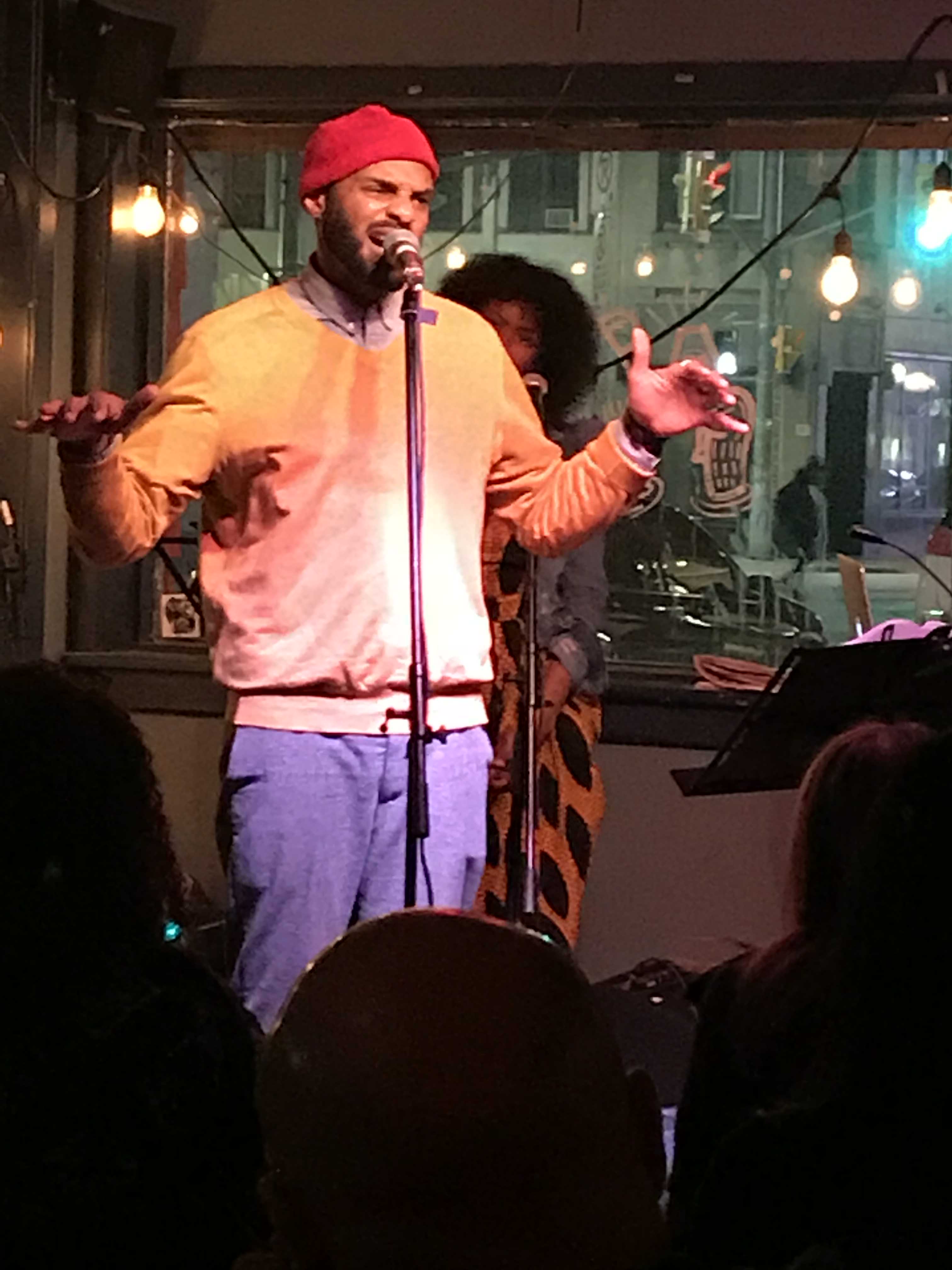
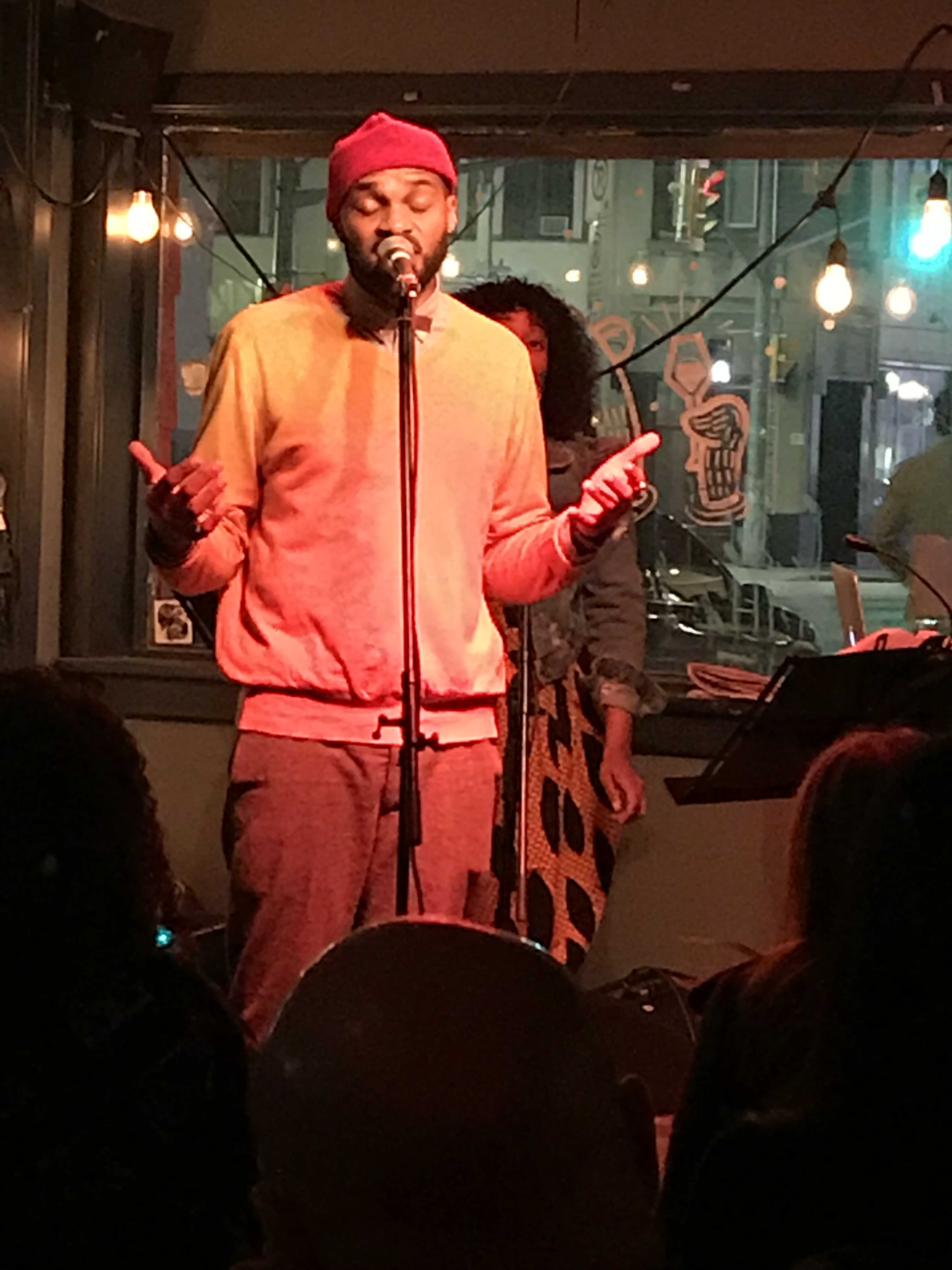
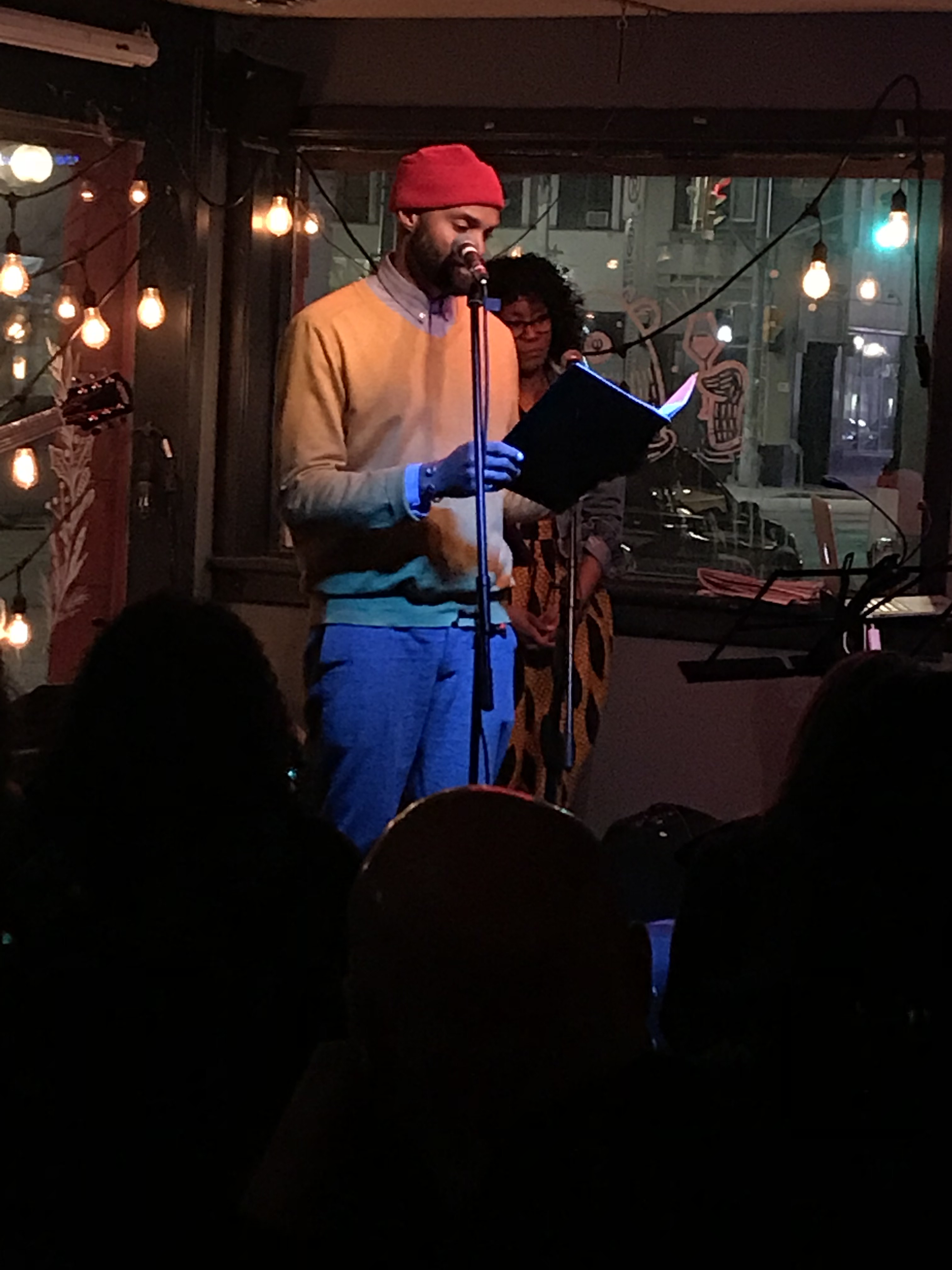
In a small rustic place with dimmed lights, and stringed outdoor lights to illuminate a small stage, a man’s voice was heard coming from the back of the room. Making his way through the audience up to the stage wearing a red beanie and a mustard color sweater, Khari McClelland, with nothing more than just his powerful tenor vocals, began to sing what sounded like a traditional slave song. Repeating the phrase “we are in this boat together,” Khari sang around the audience including every single person into his performance. The feeling that I was hoping to find finally resonated within.  

Phog Lounge was the perfect location for Khari’s performance because everyone that walked through the door became a part of a communal family. A regular, standing next to me, described Phog as “a room in my house where all my friends could gather to have a warm conversation and a jam session.” He could not describe Phog any better. Each person that stepped through the front door was greeted with a hug or smile. In the vibrant decorative space, a family joined together to watch a performance celebrating not only Black History Month, but also a celebration of understanding an apology, and redemption for those who suffered, and still suffer today, from marginalization.  

Upon Khari’s introduction to the stage, there were acknowledgements made to Windsor and Detroit Indigenous territorial names, which included the Ojibwa, the Odawa, and the Potawatomie. This made sense when I asked Khari why he named his tour We Now Recognize—he mentioned that “it comes from, Stephen Harper, Canadas’ former Prime Minister’s apology speech”. I really valued this because we rarely hear any organization or event acknowledge the traditional First nations names for the territories. It was simply an act of Truth and Reconciliation.  

Khari has a special way bringing spirituals to life. With every song sung came an up and down and every musical note that followed did the same. Khari’s musical sound incorporates blues, jazz, folk, gospel, splash of reggae, and soul. Each sound had brought back liveliness to all those songs that have been buried for years. Khari was accompanied by a guitarist, playing an archtop guitar; a keyboard midi controller for the organ, drum and bass effects; and a backup vocalist. My favorite track performed was a song from his solo album called, “Song of the Agitator” which moved the audience as Khari asked everyone to hum after each line he sung. “Cease to agitate/ we will when the slave whip sound is still” — “mmhmm.” This not only included everyone, but it also brought everyone together creating harmony that filled the small and intimate space.

Judging from the audience’s cheers and, of course, his grandmother and mother in the front seat cheering him on, the audience did not want to let Khari leave after his last song. We begged Khari to sing not one more song, but two more in which he delightfully delivered. Khari McClelland has a special charm that he delivers in his music, and I am certainly excited to see what he has in store for the rest of his musical journey. His music not only moves one, but it also moves all those silenced voices that have been repressed for many years.

-Maria